
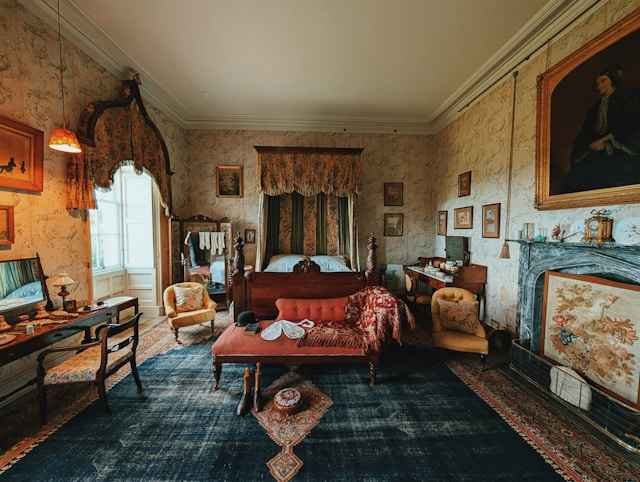
Have you ever walked into a house and felt instantly transported to another era—one where craftsmanship, history, and warmth blend seamlessly? That’s the magic of an old world home. In today’s fast-paced world, where trends come and go, the enduring appeal of old world homes stands out. These homes, inspired by centuries-old European architecture and design, offer a sense of permanence, comfort, and artistry that modern builds often lack.
The fascination with old world homes is more than nostalgia. It’s about embracing a lifestyle rooted in tradition, beauty, and authenticity. Whether you’re a homeowner dreaming of a Tuscan villa, a designer seeking inspiration, or a real estate enthusiast curious about timeless trends, understanding the essence of an old world home can transform your perspective on living spaces.
In this comprehensive guide, we’ll explore what defines an old world home, delve into its key architectural and interior design features, weigh the benefits and challenges, and offer practical tips for incorporating old world style into modern living. You’ll also discover inspiring examples from around the globe and learn why this classic style continues to captivate homeowners in the United States and beyond.
Let’s embark on a journey through the charm, history, and enduring value of the old world home.
What Is an Old World Home?
The term old world home conjures images of European estates, rustic farmhouses, and grand manors that have stood the test of time. But what exactly defines this style?
Definition and Origins
An old world home draws its roots from the architectural traditions of Europe—particularly regions like Italy, France, Spain, and England. These homes reflect centuries of craftsmanship, with influences from the Mediterranean, Tuscan countryside, French chateaux, and English manors. The style emerged as settlers brought European building techniques and aesthetics to the United States, adapting them to local materials and climates.
Historical Context
Old world homes are steeped in history. Their designs echo the eras before industrialization, when homes were built by hand, using locally sourced stone, wood, and clay. The architecture was shaped by necessity—thick walls for insulation, small windows for security, and sloped roofs for shedding rain or snow. Over time, these practical features became hallmarks of the style, celebrated for their beauty and durability.
Distinguishing Characteristics
What sets an old world home apart from modern styles? It’s the attention to detail, the use of natural materials, and the sense of permanence. Typical features include:
- Stone or brick exteriors that exude strength and character
- Arched doorways and windows for a touch of romance
- Heavy wooden doors adorned with wrought iron hardware
- Exposed beams and soaring ceilings
- Terracotta or patterned tile floors
- Fireplaces with ornate mantels
- Rustic finishes and textured walls
These elements create a warm, inviting atmosphere that feels both grand and intimate.
Famous Examples
Think of the grand villas of Tuscany, the charming cottages of Provence, or the stately manors of the English countryside. In the United States, you’ll find old world homes in historic neighborhoods, from the Mediterranean-inspired estates of California to the French country homes of the Midwest.
An old world home isn’t just a building—it’s a living piece of history, lovingly preserved and adapted for modern life.
Key Architectural Features of an Old World Home
The architecture of an old world home is a testament to timeless design and enduring craftsmanship. Let’s explore the defining features that give these homes their unmistakable character.
Stone and Brick Exteriors
One of the most recognizable aspects of an old world home is its exterior. Builders often used stone or brick, materials that were readily available and provided excellent insulation. The result is a façade that feels solid, weathered, and full of character. The irregular shapes and varied colors of the stones add to the home’s unique charm.
Arched Doorways and Windows
Arches are a signature element of old world architecture. Arched doorways and windows soften the lines of a home, creating a sense of elegance and flow. These arches can be grand and sweeping or subtle and understated, but they always add a touch of romance and history.
Heavy Wooden Doors with Wrought Iron Details
The entrance to an old world home is often marked by a heavy wooden door, sometimes centuries old, adorned with wrought iron hardware. These doors are not just functional—they’re works of art, featuring intricate scrollwork, studs, and handles that tell a story of skilled craftsmanship.
Exposed Wooden Beams and Cathedral Ceilings
Step inside, and you’ll likely find exposed wooden beams stretching across high, vaulted ceilings. These beams, often left in their natural state, showcase the beauty of the wood and the skill of the builder. Cathedral ceilings add a sense of grandeur, making even modest rooms feel spacious and airy.
Terracotta or Patterned Tile Floors
Flooring in an old world home is designed for both beauty and durability. Terracotta tiles, with their warm, earthy tones, are a staple in Mediterranean-inspired homes. In French or Spanish styles, you might find patterned tiles that add color and visual interest. These materials are cool underfoot in summer and retain heat in winter, making them practical as well as attractive.
Fireplaces with Detailed Mantels
No old world home is complete without a fireplace—often the heart of the home. These fireplaces are more than just sources of warmth; they’re focal points, featuring detailed mantels carved from stone or wood. Some are adorned with tiles, while others boast intricate moldings or ironwork.
Use of Natural Materials and Craftsmanship
Above all, an old world home celebrates natural materials and the art of the craftsman. From hand-hewn beams to hand-painted tiles, every detail reflects a commitment to quality and authenticity. The imperfections—slightly uneven stones, weathered wood, or hand-troweled plaster—add to the home’s character and charm.
These architectural features not only define the old world home but also create a sense of history and permanence that’s hard to replicate in modern construction.
Interior Design Elements of an Old World Home
The interior of an old world home is a sanctuary of warmth, comfort, and timeless beauty. Let’s delve into the design elements that bring this style to life.
Warm and Earthy Color Palettes
Old world interiors are known for their rich, earthy color schemes. Think deep reds, golden yellows, olive greens, and chocolate browns. These hues create a cozy, inviting atmosphere that feels both elegant and lived-in. Walls are often painted in warm neutrals or textured with plaster for added depth.
Antique Furnishings and Classic Décor Pieces
Furnishings in an old world home are chosen for their history and craftsmanship. Antique tables, carved chairs, and upholstered sofas with classic lines fill the rooms. Décor pieces—such as gilded mirrors, vintage clocks, and ornate candlesticks—add layers of interest and tell a story of generations past.
Hand-Painted Tiles and Artwork
Artistry is at the heart of old world design. Hand-painted tiles are used for backsplashes, fireplaces, and even stair risers, adding bursts of color and pattern. Walls may be adorned with oil paintings, tapestries, or framed botanical prints, each contributing to the home’s sense of history.
Textured Walls: Plaster and Stucco
Smooth, flat walls are rare in an old world home. Instead, you’ll find textured finishes—plaster, stucco, or even exposed stone. These surfaces catch the light in interesting ways and add a tactile quality that’s both rustic and refined.
Wrought Iron in Lighting and Furniture
Wrought iron is a recurring motif, used in chandeliers, sconces, curtain rods, and even furniture frames. Its dark, aged finish contrasts beautifully with warm woods and soft fabrics, lending a sense of strength and artistry to the space.
Decorative Moldings and Ceiling Medallions
Attention to detail is evident in the decorative moldings and ceiling medallions that grace old world homes. Crown molding, chair rails, and intricate ceiling designs add architectural interest and elevate the overall aesthetic.
Incorporating Modern Comforts
While old world homes celebrate tradition, they’re not stuck in the past. Modern amenities—such as updated kitchens, spa-like bathrooms, and smart home technology—can be seamlessly integrated without sacrificing the home’s character. The key is to choose finishes and fixtures that complement the old world style, such as bronze faucets, farmhouse sinks, or vintage-inspired lighting.
By blending these interior design elements, an old world home becomes a haven of comfort, beauty, and timeless appeal.
Benefits of Owning or Designing an Old World Home
Choosing an old world home is more than a design decision—it’s a lifestyle choice with lasting rewards. Here are some of the key benefits:
Timeless Elegance and Unique Charm
An old world home never goes out of style. Its classic lines, rich materials, and attention to detail create an atmosphere of timeless elegance. Each home is unique, reflecting the personality and tastes of its owners while honoring centuries-old traditions.
Durable Construction and Materials
Built to last, old world homes use durable materials like stone, brick, and hardwood. These materials not only withstand the test of time but also age gracefully, developing a patina that adds to the home’s character.
Connection to History and Culture
Living in an old world home offers a tangible connection to the past. Every beam, tile, and molding tells a story, creating a sense of history and culture that enriches daily life. For many, this connection is deeply meaningful, fostering a sense of belonging and continuity.
Potential for High Resale Value
Old world homes are highly sought after in the real estate market. Their timeless appeal and quality construction often translate to higher resale values, especially in desirable neighborhoods or historic districts.
Personalized Design and Craftsmanship
Unlike cookie-cutter new builds, old world homes are often customized to reflect the owner’s vision. Whether restoring a historic property or building new with old world inspiration, homeowners can work with skilled craftsmen to create a truly one-of-a-kind residence.
In short, an old world home offers beauty, durability, and a sense of legacy that few other styles can match.
Challenges and Considerations When Buying or Renovating an Old World Home
While the allure of an old world home is undeniable, there are important factors to consider before buying or renovating one.
Maintenance and Upkeep of Historic Features
Old world homes often require ongoing maintenance to preserve their historic features. Stone walls may need repointing, wooden beams might require treatment, and original windows could need restoration. Regular care is essential to maintain the home’s integrity and value.
Cost Considerations for Restoration and Repairs
Restoring or renovating an old world home can be costly. Authentic materials and skilled labor come at a premium, especially if you’re aiming to preserve or replicate historic details. It’s important to budget for unexpected expenses and prioritize projects that protect the home’s structure and character.
Need for Specialized Contractors or Craftsmen
Not every contractor is equipped to work on old world homes. You’ll need to seek out specialized craftsmen—masons, carpenters, and artisans familiar with traditional techniques. Their expertise ensures that repairs and updates are done correctly and respectfully.
Modernizing Amenities While Preserving Authenticity
Bringing modern comforts to an old world home requires a delicate balance. Upgrading electrical, plumbing, or HVAC systems must be done with care to avoid damaging historic features. The goal is to enhance livability without compromising the home’s authenticity.
Permits and Restrictions for Historic Properties
If your old world home is designated as a historic property, you may face permits and restrictions on renovations. Local regulations often dictate what changes can be made, especially to the exterior. It’s essential to research these requirements and work with professionals who understand the process.
Despite these challenges, the rewards of owning or restoring an old world home are well worth the effort for those who value history, craftsmanship, and timeless beauty.
How to Incorporate Old World Style Into Modern Homes
You don’t need to live in a centuries-old manor to enjoy the charm of an old world home. With thoughtful design choices, you can bring old world style into any space.
Blending Old World Elements with Contemporary Design
The key to a successful blend is balance. Pair rustic materials—like stone, wood, and iron—with sleek, modern lines. For example, a contemporary kitchen can feature a stone backsplash and wrought iron lighting, while a modern living room might include a reclaimed wood mantel or antique furnishings.
Accent Pieces: Wrought Iron, Stone, and Wood
Introduce old world flair with accent pieces. Wrought iron chandeliers, stone planters, and wooden beams add texture and interest. Even small touches, like iron curtain rods or carved wooden frames, can evoke the old world home aesthetic.
Color Scheme Suggestions
Choose a color palette inspired by nature: warm neutrals, deep reds, olive greens, and golden yellows. These hues create a cozy, inviting atmosphere that feels both timeless and fresh.
Flooring and Ceiling Ideas
Consider terracotta tiles, wide-plank hardwood floors, or patterned rugs to ground your space. Exposed beams or coffered ceilings add architectural interest and a sense of history.
Furniture and Décor Recommendations
Opt for furniture with classic lines and rich finishes. Upholstered pieces in natural fabrics, antique tables, and ornate mirrors all contribute to the old world vibe. Layer in décor like tapestries, oil paintings, and vintage accessories for added depth.
By thoughtfully incorporating these elements, you can create a home that feels both current and steeped in tradition—a true old world home for the modern era.
Old World Home Inspiration: Examples from Around the World
The old world home style is as diverse as the regions that inspired it. Let’s take a look at some iconic examples and how they influence today’s design trends.
Mediterranean Villas
In Italy and Spain, Mediterranean villas are known for their stucco walls, red-tiled roofs, and lush courtyards. These homes embrace indoor-outdoor living, with arched doorways leading to shaded patios and gardens. The use of terracotta, wrought iron, and hand-painted tiles creates a warm, inviting atmosphere.
French Country Estates
French country homes—or maisons de campagne—feature stone exteriors, steeply pitched roofs, and charming shutters. Inside, you’ll find exposed beams, plaster walls, and a mix of antique and rustic furnishings. The style is relaxed yet elegant, blending comfort with sophistication.
English Manors
English manors are grand yet welcoming, with brick or stone facades, leaded glass windows, and sprawling gardens. Interiors often include paneled walls, ornate fireplaces, and classic furniture. The emphasis is on tradition, craftsmanship, and a connection to the landscape.
American Interpretations
In the United States, old world homes can be found in historic neighborhoods and new developments alike. From the Spanish Revival homes of California to the French-inspired estates of the Midwest, American builders have adapted old world elements to suit local tastes and climates.
Influence on Modern Design
Today, designers draw inspiration from these global traditions, blending old world features with contemporary sensibilities. The result is a style that feels both timeless and relevant, appealing to homeowners who value beauty, comfort, and history.
Key Takeaways
- Old world homes are defined by their European roots, natural materials, and timeless design.
- Key architectural features include stone exteriors, arched openings, heavy wooden doors, and exposed beams.
- Interiors are warm and inviting, with rich colors, antique furnishings, and handcrafted details.
- Owning or designing an old world home offers lasting beauty, durability, and a connection to history.
- Challenges include maintenance, restoration costs, and the need for specialized craftsmen.
- Old world style can be incorporated into modern homes through thoughtful design choices.
- Inspiration comes from Mediterranean villas, French country estates, English manors, and American adaptations.
- The enduring appeal of the old world home lies in its blend of tradition, artistry, and comfort.
Conclusion
The allure of the old world home is undeniable. In a world where trends shift rapidly, these homes offer a sense of stability, beauty, and connection to the past. Whether you’re restoring a historic property, building new with old world inspiration, or simply adding a few classic touches to your space, embracing this style can transform your home into a sanctuary of timeless elegance.
If you’re ready to explore the possibilities of an old world home—whether through design, renovation, or real estate—reach out to our team for expert guidance and inspiration. Let us help you create a living space that honors tradition while meeting the needs of modern life. Discover the enduring charm of the old world home and make it your own.