
Key Takeaways:
- A home brewed bar lets you create custom drinks, save money, and enjoy a unique social space at home.
- With basic knowledge and the right tools, anyone can start brewing beer, cider, mead, or kombucha at home.
- A well-designed home brewed bar is not just about drinks—it’s about creativity, community, and fun.
Have you ever imagined transforming a corner of your home into a vibrant gathering place where every drink is crafted by your own hand? The concept of a home brewed bar is capturing the imagination of countless Americans, offering not just delicious beverages but also creativity, cost savings, and social connection. Whether you’re a seasoned beer lover or a curious newcomer, this guide explores everything you need to know to build, brew, and host at your own home brewed bar.
What Is a Home Brewed Bar?
Understanding the Concept
A home brewed bar is a dedicated space in your home for brewing and serving your own crafted beverages—most often beer, but also cider, mead, hard seltzer, and even kombucha. Unlike a regular home bar that stocks commercial spirits, a home brewed bar lets you control every aspect of your drinks, from the ingredients to the flavor profiles.
Why Are Home Brewed Bars Trending?
In the United States, the DIY spirit is stronger than ever. People crave authenticity, creativity, and experiences that can’t be found off the shelf. Craft brewing has exploded in popularity, with home brewing acting as a natural next step for those who want to take their passion further. Social media is brimming with photos of custom taps, colorful brews, and cozy tasting nooks—all part of the modern home brewed bar movement.
The Benefits of Your Own Home Brewed Bar
- Cost-Effective: Brewing at home is often cheaper than buying craft beer or cocktails at bars.
- Creative Control: Experiment with flavors, styles, and ingredients to suit your own tastes.
- Socializing: Your home brewed bar becomes a hub for friends and family, bringing people together for tastings and celebrations.
- Learning Opportunity: Home brewing teaches you about science, fermentation, and culinary arts.
- Sustainability: You can reduce packaging waste and source local ingredients.
The Basics of Home Brewing
What Does Home Brewing Involve?
Home brewing is the process of making alcoholic (or sometimes non-alcoholic) beverages at home, usually in small batches. The most common home brewed drinks in the U.S. are beer, cider, mead (honey wine), and kombucha, each with unique processes and flavors.
Key Ingredients for Your Home Brewed Bar
- Water: The most important ingredient—good water makes good beer.
- Malt: Malted grains (usually barley) provide sugars for fermentation.
- Hops: Add bitterness, aroma, and flavor to balance the sweetness of malt.
- Yeast: Microorganisms that convert sugar into alcohol and carbonation.
Some drinks, like cider, start with apple juice, while mead uses honey as the sugar source. Kombucha, a non-alcoholic option, relies on tea, sugar, and a SCOBY (symbiotic culture of bacteria and yeast).
Essential Equipment for Beginners
- Fermentation Vessel: Food-grade bucket or glass carboy for fermenting your brew.
- Airlock: Keeps out contaminants while letting CO₂ escape.
- Bottles or Kegs: Store finished drinks.
- Sanitizer: Absolutely critical to prevent spoilage.
- Thermometer & Hydrometer: For measuring temperature and sugar content.
- Basic Brewing Kit: Many homebrew shops sell all-in-one starter kits for under $100.
Setting Up Your Home Brewed Bar
Choosing the Right Space
A home brewed bar doesn’t require a dedicated room, but it does need a spot with:
- Stable temperatures
- Good ventilation
- Easy-to-clean surfaces
- Access to water and storage
Popular choices include basements, garages, kitchens, or even a repurposed closet.
Must-Have Equipment Checklist
- Brewing kettle (for boiling wort)
- Fermenter with airlock
- Siphoning tube or auto-siphon
- Bottling wand and capper
- Sanitizing solution
- Measuring spoons and cups
- Storage shelves or racks
Organizing Your Ingredients and Finished Brews
Use airtight containers for grains and hops to keep them fresh. Store yeast in the refrigerator. Keep bottled or kegged brews in a cool, dark place. Label everything with the brew date and type for easy inventory management.
Tips for Efficient Bar Organization
- Use chalkboard labels or digital trackers for batches.
- Set up a cleaning/sanitizing station to streamline prep and clean-up.
- Install racks or cabinets to display your home brewed creations.
Brewing Your First Batch: Step-by-Step Guide
Pick a Simple Recipe
Start with a basic beer recipe, such as an American pale ale or a cider kit. These are forgiving and offer quick results. Kits usually include all the ingredients and detailed instructions.
Preparing and Sanitizing
Sanitization is everything. Clean all your equipment with hot water, then use a no-rinse sanitizer before you start. This step prevents bad bacteria from spoiling your brew.
Brewing Process Explained
1. Mashing
Steep your grains in hot water to extract sugars. If using malt extract, you can skip this step.
2. Boiling
Boil the sweet liquid (wort) and add hops according to your recipe. Boiling sterilizes the wort and extracts flavors from the hops.
3. Cooling and Fermenting
Cool the boiled wort quickly and transfer it to the fermenter. Add yeast, seal with an airlock, and let it ferment in a dark, cool place for 1-2 weeks.
4. Bottling
Once fermentation is done, transfer the brew into bottles or kegs. Add a bit of sugar if you want carbonation. Cap and store in a cool spot for another 1-2 weeks.
Common Mistakes to Avoid
- Skipping sanitization (seriously, don’t)
- Using old or expired yeast
- Not following temperature guidelines for fermentation
- Rushing the process—patience is key!
Advanced Home Brewing Techniques
Experimenting with Flavors
Once you’ve mastered the basics, the real fun begins. Add:
- Fruits: Cherries, raspberries, oranges
- Spices: Cinnamon, ginger, coriander
- Herbs: Basil, mint, rosemary
- Coffee, chocolate, or even hot peppers
Controlling Fermentation
Yeast works best within specific temperature ranges. Too hot, and you get unwanted flavors. Too cold, and fermentation stalls. Consider a temperature-controlled fermenter or use a cool basement.
Trying New Yeast Strains
Different yeasts create different flavors—try Belgian, English, or wild yeasts for variety.
Barrel-Aging and Blending
Advanced brewers can age beer in small barrels or blend different batches for complexity, mimicking craft brewery practices.
Designing Your Home Brewed Bar Experience
Choosing Bar Furniture and Decor
Match your personal style—go industrial with metal and wood, or rustic with reclaimed barrels and chalkboard menus. A sturdy bar counter is a must, along with comfortable stools.
Lighting and Ambiance
Soft, warm lighting sets a cozy mood. LED strips under shelves, pendant lights over the bar, or vintage-style Edison bulbs all work well.
Displaying Your Brew Collection
Install open shelves for bottles, a fridge for kegs, and a display rack for glasses. Use chalkboards to list what’s on tap, or digital screens for a modern touch.
Creating a Tasting Area
Dedicate space for tastings with small glasses and tasting notes cards. Set out snacks that pair well with your home brews.
Safety and Maintenance for Your Home Brewed Bar
Sanitization Routines
Establish a habit of cleaning and sanitizing every piece of equipment before and after use. Use food-safe sanitizers and never cut corners, as even a small contaminant can ruin an entire batch.
Handling Alcohol Safely
Keep your bar out of reach of children and consider labeling ABV (alcohol by volume) on each batch. Remind guests to drink responsibly.
Equipment Maintenance
Store equipment dry to prevent mold. Replace worn-out hoses or seals. Inspect glass carboys for chips or cracks.
Legal Considerations
In the U.S., home brewing for personal use is legal in most states, but selling your products requires permits and licenses. Check your state’s rules regarding the allowed amount and any sharing restrictions.
Hosting at Your Home Brewed Bar
Planning Home Tastings
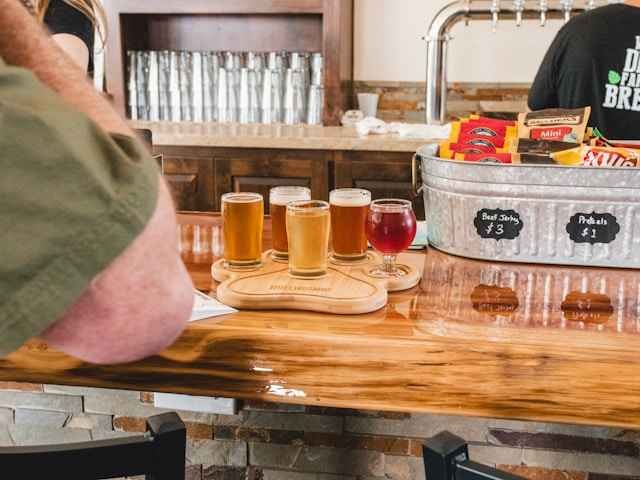
Invite friends for a “brew flight” night, where you sample several styles and rate them together. Print tasting sheets and provide food pairings.
Pairing Home Brews with Food
- IPAs: Great with spicy foods or bold cheeses
- Stouts: Excellent with chocolate desserts or roasted meats
- Ciders: Lovely with pork, apples, or sharp cheddar
- Meads: Perfect with fruit tarts and honeyed desserts
Sharing the Home Brewing Culture
Introduce guests to the brewing process—let them help bottle or add hops. Teach them about the ingredients and styles, or host a “brew your own” night.
Gifting Your Home Brews
Personalize labels and packaging for birthdays, holidays, or housewarming gifts. Home brewed gifts are always a hit!
Beyond Brewing: Benefits of a Home Brewed Bar
Personal Satisfaction and Creativity
Brewing is a rewarding hobby, offering a sense of accomplishment with every successful batch. Experimenting with recipes unlocks your inner scientist and artist.
Significant Cost Savings
Once you’ve invested in basic gear, brewing at home is much cheaper than buying craft beer or specialty drinks from a store or bar.
Building Community
The home brewed bar isn’t just about drinks—it’s about people. Hosting tastings, joining local clubs, and sharing your creations forges lasting friendships.
Small Business Potential
Many commercial craft breweries started as home brewed bar setups. If your passion grows, you might consider scaling up and starting your own microbrewery (with the right licensing).
Resources for Home Brewed Bar Enthusiasts
Books and Guides
- “How to Brew” by John J. Palmer
- “The Complete Joy of Homebrewing” by Charlie Papazian
- “Craft Beer for the Homebrewer” by Michael Agnew
Online Forums and Communities
- HomebrewTalk.com
- Reddit’s r/Homebrewing
- American Homebrewers Association (homebrewersassociation.org)
Suppliers and Equipment
- Northern Brewer
- MoreBeer!
- Local homebrew shops (support small business!)
Clubs and Meetups
Search for local homebrew clubs or join virtual meetups. Many cities have monthly gatherings, competitions, and collaborative brew days.
Apps and Brewing Tools
- Brewfather (recipe builder and tracker)
- BeerSmith (advanced brewing software)
- Untappd (for tasting notes and sharing with friends)
Frequently Asked Questions About Home Brewed Bars
Is it legal to have a home brewed bar in the United States?
Yes, home brewing for personal use is legal in most states. Federal law allows up to 100 gallons per adult (200 gallons per household) per year. Commercial sales require licenses.
How much does it cost to start a home brewed bar?
Basic starter kits are available for as little as $75–$150. Over time, you may invest more in advanced equipment, but home brewing remains cost-effective compared to regular bar visits.
What’s the easiest drink to start with?
Many beginners start with beer kits, but cider and mead are also simple and require less equipment. Kombucha is a good non-alcoholic option.
How long does home brewing take?
Most beers and ciders are ready in 3–6 weeks from brew day to drinking. Mead can take a few months. Kombucha ferments in about 1–2 weeks.
Can I customize flavors in my home brewed bar?
Absolutely! That’s one of the greatest perks. Experiment with grains, hops, yeast, fruits, and spices to make something uniquely yours.
Is home brewed beer as good as commercial craft beer?
With practice, many home brewers make drinks that rival or surpass store-bought options. Plus, you can tailor every batch to your own preferences.
Do I need a lot of space for a home brewed bar?
No. Many home brew setups fit in a kitchen, garage, or closet. You can scale up your space as your hobby grows.
Conclusion: Start Your Home Brewed Bar Adventure
A home brewed bar is more than a hobby; it’s an ongoing adventure in creativity, learning, and community. By starting small, mastering the basics, and gradually expanding your skills and setup, you’ll unlock a world of flavors and friendships—right under your own roof. Whether you dream of crafting the perfect IPA for a Friday night or building a neighborhood tasting spot, there’s never been a better time to embrace the art of home brewing.
Are you ready to pour your passion into a glass? Start your own home brewed bar, experiment with flavors, and invite others to join your journey. Share your stories, recipes, and adventures, and subscribe for more tips to make your home brewed bar the talk of the town.