
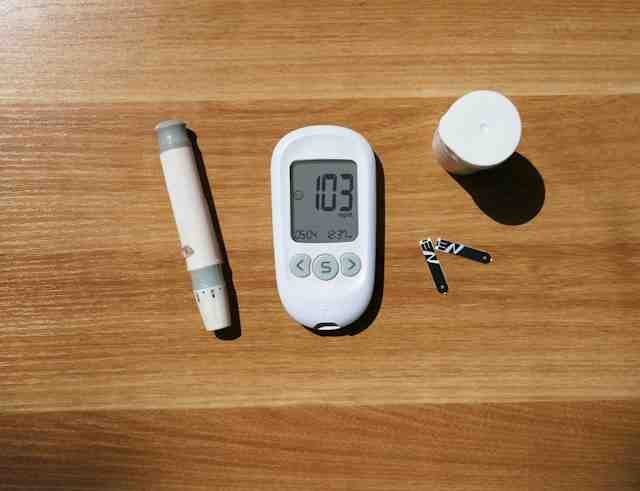
Have you ever wondered if you’re getting enough vitamin D? As more people become aware of the crucial role vitamin D plays in their health, the demand for convenient solutions like the at home vitamin D test has soared. But how reliable are these tests, and who can benefit most from them? This in-depth guide answers all your questions, offering everything you need to know about monitoring your vitamin D levels from the comfort of home.
Key Takeaways
- At home vitamin D tests are a convenient, private, and effective way to monitor vitamin D levels.
- Understanding vitamin D’s health impact helps you make informed decisions about supplements and lifestyle.
- Choosing the right test kit and interpreting results are essential for proactive health management.
- Regular monitoring can help prevent deficiency and promote overall wellness.
What Is Vitamin D and Why Is It Important?
Understanding Vitamin D’s Role in the Body
Vitamin D, often called the “sunshine vitamin,” is a fat-soluble nutrient vital for multiple body functions. It helps the body absorb calcium, which is essential for strong bones and teeth. But vitamin D does much more than support your skeleton.
Key Functions:
- Bone Health: Facilitates calcium absorption, reducing risks of osteoporosis and fractures.
- Immune Function: Supports a healthy immune response, helping the body fight off infections.
- Mood Regulation: Plays a role in mental well-being; low levels have been linked to mood disorders.
- Muscle Strength: Supports muscle function and coordination.
Symptoms and Risks of Deficiency
Many people in the United States don’t get enough vitamin D, especially during winter or if they spend little time outdoors. Signs of deficiency can be subtle or mistaken for other conditions.
Common Symptoms:
- Fatigue and general weakness
- Muscle aches or cramps
- Bone pain or frequent fractures
- Mood changes, including depression
Health Risks of Prolonged Deficiency:
- Increased risk of osteoporosis and bone fractures
- Higher susceptibility to infections
- Greater risk for certain chronic diseases (e.g., type 2 diabetes, cardiovascular disease)
- In children, risk of rickets (soft, weak bones)
How Much Vitamin D Do You Need?
The recommended daily allowance (RDA) for vitamin D varies by age, gender, and health status. For most adults, the RDA is 600–800 IU (International Units) per day, though some experts suggest higher levels for optimal health, especially in older adults or those at risk for deficiency.
Traditional Vitamin D Testing vs. At Home Vitamin D Test
Conventional Lab Testing
Traditionally, vitamin D levels are measured through a blood test ordered by a doctor. You typically:
- Visit a healthcare provider or lab
- Have blood drawn from a vein
- Wait several days for results
Challenges with Traditional Testing
While accurate, this method isn’t ideal for everyone. Common barriers include:
- Inconvenience: Scheduling appointments, waiting at labs, and traveling can be time-consuming.
- Cost: Not all insurance plans cover vitamin D testing, leading to out-of-pocket expenses.
- Accessibility: People in rural areas or with mobility issues may have trouble accessing labs.
The Rise of At Home Vitamin D Test Kits
At home vitamin D test kits are changing the game. These mail-in kits allow you to collect a small blood sample (usually a finger prick) at home and send it to a certified laboratory.
Advantages:
- Convenience: No need for appointments or travel.
- Privacy: Collect your sample discreetly at home.
- Accessibility: Available to anyone in the United States with mail service.
- Speed: Results are often available online within days.
Disadvantages:
- Self-collection: Requires following instructions carefully to avoid errors.
- Insurance: Some kits may not be covered by insurance.
- Professional Guidance: May not provide in-depth medical advice; follow-up with a doctor may still be necessary.
How Does an At Home Vitamin D Test Work?
Step-by-Step Process
1. Ordering Your Kit
Order a kit online from a reputable provider. Many allow you to choose between one-time or subscription-based testing.
2. Receiving and Registering Your Kit
Once the kit arrives, register it online using the unique code provided. This step ensures your results are linked to your account securely.
3. Collecting Your Sample
Most kits use a simple finger prick blood sample. Here’s what you can expect:
- Clean your finger and use the provided lancet to prick the skin.
- Squeeze out a few drops of blood onto a special collection card or tube.
- Seal your sample according to instructions.
4. Mailing Your Sample
Use the prepaid envelope to mail your sample to the laboratory. Shipping instructions are typically straightforward, with detailed guidance for proper handling.
5. Getting Your Results
In most cases, you’ll receive an email notification when your results are ready—usually within 3-7 business days. Log in to your secure online portal to view your vitamin D levels and, sometimes, personalized health recommendations.
Sample Types
While finger-prick blood is most common, some emerging tests use saliva. However, blood samples remain the gold standard for vitamin D measurement.
Laboratory Analysis
Certified labs use advanced technology, such as liquid chromatography-tandem mass spectrometry (LC-MS/MS), to measure levels of 25-hydroxyvitamin D [25(OH)D], the most reliable indicator of vitamin D status.
Who Should Consider Using an At Home Vitamin D Test?
Limited Access to Healthcare
If you live in a rural area or have difficulty getting to a doctor’s office, at home vitamin D test kits offer a convenient solution.
Experiencing Symptoms of Deficiency
People who feel tired, have frequent illnesses, or experience bone pain might benefit from checking their vitamin D status.
Increased Risk Factors
At-risk groups include:
- Older adults: Skin’s ability to synthesize vitamin D decreases with age.
- People with darker skin: More melanin reduces vitamin D synthesis from sunlight.
- Individuals with limited sun exposure: Office workers, those in northern states, or people who use sunscreen regularly.
- People with certain health conditions: Obesity, malabsorption syndromes, or kidney/liver disease.
Health-Conscious Individuals
Anyone tracking their wellness or supplement regimen may want an easy way to monitor the impact of lifestyle changes or new supplements.
Choosing the Right At Home Vitamin D Test Kit
Key Features to Look For
Accuracy and Reliability
Choose kits that use certified laboratories and have been clinically validated for accuracy.
Regulatory Approval
Look for FDA-registered kits or those that use CLIA-certified labs (Clinical Laboratory Improvement Amendments).
Ease of Use
Test kits should include clear instructions, easy-to-use lancets, and secure sample containers.
Data Privacy
Ensure the provider has strong policies to protect your health information.
Trusted Brands and Companies
Some reputable providers in the United States include:
- Everlywell
- LetsGetChecked
- myLAB Box
- VitaminLab
Price Considerations
At home vitamin D test kits typically range from $40–$100, depending on the provider and any additional services (like doctor consultations).
Reviews and Ratings
Read independent reviews and check for customer feedback about:
- Test accuracy and reliability
- Customer service responsiveness
- Ease of sample collection
How to Prepare for Your At Home Vitamin D Test
Tips for Accurate Results
- Follow Instructions Closely: Read all instructions before starting.
- Timing: Some kits recommend morning collection for consistent results.
- Fasting: Fasting is generally not required for vitamin D testing, but double-check your kit’s instructions.
Avoiding Contamination and Mistakes
- Wash hands thoroughly before collecting your sample.
- Use only the provided tools and avoid touching the collection area.
- Let the blood drop naturally—don’t smear or rub.
Storage and Shipping
- Allow the sample to dry completely if using a collection card.
- Ensure the sample is sealed in the provided packaging.
- Mail the sample promptly to avoid delays or degradation.
Understanding Your At Home Vitamin D Test Results
Interpreting the Numbers
Your test will typically report 25(OH)D levels in nanograms per milliliter (ng/mL).
Common Reference Ranges:
- Deficiency: <20 ng/mL
- Insufficiency: 20–29 ng/mL
- Sufficiency: 30–100 ng/mL
- Toxicity: >100 ng/mL
What the Classifications Mean
- Deficiency: You may need to increase vitamin D intake through diet, supplements, or sun exposure.
- Insufficiency: Levels are below optimal; consider making changes.
- Sufficiency: Your vitamin D status is in a healthy range.
- Toxicity: Very rare, but can result from excessive supplement use—consult a doctor immediately.
When to Consult a Doctor
If your results indicate deficiency or toxicity, or if you have concerning symptoms, always follow up with your healthcare provider for personalized advice.
What to Do If Your Test Shows Low Vitamin D Levels
Lifestyle and Dietary Changes
Foods Rich in Vitamin D:
- Fatty fish (salmon, mackerel, sardines)
- Egg yolks
- Fortified milk and cereals
- Beef liver
Supplement Options and Safe Dosing
Many people need supplements to reach optimal vitamin D levels. Common forms include vitamin D3 (cholecalciferol) and vitamin D2 (ergocalciferol). Typical daily doses for deficiency range from 1,000–5,000 IU, but always consult with a doctor for personalized dosing.
Safe Sun Exposure
Spending 10–30 minutes in midday sun a few times per week helps your body produce vitamin D. Factors like skin tone, clothing, and sunscreen use affect synthesis, so balance sun safety with your needs.
Follow-Up Testing and Monitoring
Re-test your vitamin D levels after a few months of making changes to ensure your status improves and to avoid excessive supplementation.
Frequently Asked Questions About At Home Vitamin D Tests
Are at home vitamin D tests accurate?
Most reputable kits use the same certified labs as doctors’ offices. Accuracy depends on proper sample collection and following instructions.
How often should I test my vitamin D levels at home?
For most people, testing once or twice a year is sufficient. If you’re changing supplements or have risk factors, consider more frequent monitoring.
Can I rely on at home tests instead of doctor visits?
While helpful for screening and tracking, at home vitamin D tests do not replace comprehensive medical care. Always consult a healthcare provider for ongoing health concerns.
Are these tests covered by insurance?
Some flexible spending accounts (FSAs) or health savings accounts (HSAs) may cover at home vitamin D test kits. Check with your provider for details.
How secure is my personal health information?
Choose companies with strong privacy policies and secure data handling practices. Most reputable providers use encrypted online portals.
Additional Benefits of At Home Vitamin D Testing
Convenience and Privacy
Collecting your sample at home saves time, eliminates travel, and offers a discreet way to manage your health.
Empowering Proactive Health Management
Regular monitoring encourages you to take charge of your health, make informed decisions about supplements, and catch deficiencies early.
Early Detection and Prevention
Identifying low vitamin D before symptoms become severe helps prevent long-term health problems related to bone, immune, and mood disorders.
Monitoring your vitamin D levels is now easier than ever thanks to the at home vitamin D test. If you’re concerned about deficiency, want to optimize your health, or just value the convenience of self-testing, consider trying a reputable kit. Visit trusted health retailers online or ask your healthcare provider about at home vitamin D test options. For more health tips and updates about vitamin D, subscribe to our newsletter and stay proactive about your well-being!