
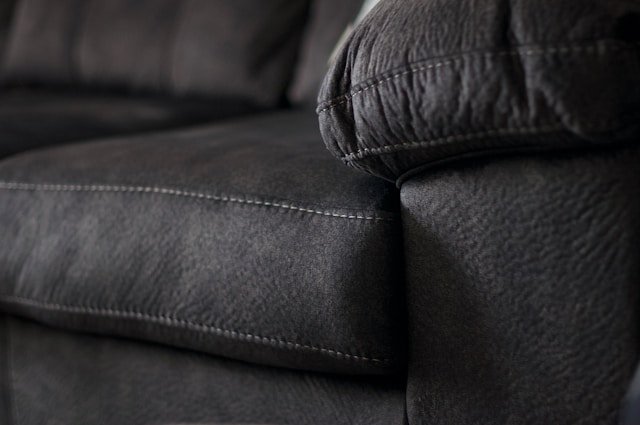
How to clean fabric sofa at home is a question many homeowners ask when trying to maintain their living spaces. Fabric sofas bring comfort and style but can also collect dust, stains, and odors over time. Knowing the right steps and techniques to clean a fabric sofa properly can extend its life and keep it looking fresh. This comprehensive guide will walk through everything needed to clean a fabric sofa at home safely and effectively.
Understanding Your Fabric Sofa
Before diving into cleaning, it’s crucial to understand what type of fabric your sofa is made from. Fabric sofas come in many varieties such as cotton, linen, microfiber, velvet, and blends. Each material reacts differently to cleaning agents and methods.
Types of Fabric Upholstery
- Cotton and Linen: Natural fibers that can absorb stains but may shrink if overly wet.
- Microfiber: Synthetic and stain-resistant, microfiber is easier to clean with water-based solutions.
- Velvet: Delicate and requires gentle cleaning with minimal moisture.
- Blends: Combination fabrics needing careful attention to manufacturer instructions.
How to Identify Fabric Type
Check the sofa’s care tag, usually found under cushions or on the frame. Manufacturers often include cleaning codes:
- W means water-based cleaners are safe.
- S means only solvent-based cleaners should be used.
- WS means either is safe.
- X means vacuum only, no liquid cleaning.
Following these codes protects your sofa from accidental damage.
Essential Tools and Supplies for Cleaning Fabric Sofas at Home
Having the right tools and cleaners on hand helps make sofa cleaning easier and more effective.
Common Cleaning Tools
- Vacuum cleaner with upholstery attachment
- Soft-bristled brushes
- Microfiber cloths or sponges
- Spray bottles for homemade solutions
Safe Cleaning Agents
- Mild detergent or dish soap
- Baking soda for deodorizing
- White vinegar as a gentle cleaner
- Commercial upholstery cleaners designed for fabric
- Club soda for spot stain removal
What to Avoid
- Harsh chemicals such as bleach or ammonia
- Excessive water which can cause mold or shrinkage
- Abrasive scrubbers that damage fabric fibers
Step-by-Step Guide: How to Clean a Fabric Sofa at Home
Cleaning a fabric sofa at home involves preparation, gentle cleaning, and proper drying.
Preparation
- Remove all cushions and pillows.
- Vacuum the entire sofa thoroughly to remove dust, crumbs, and pet hair.
- Test any cleaning solution on a hidden area to check for discoloration.
Dry Cleaning Techniques
- Sprinkle baking soda generously over the fabric surface.
- Let it sit for 15-30 minutes to absorb odors.
- Vacuum the baking soda off completely.
Spot Cleaning
- For fresh spills, blot immediately with a clean cloth to absorb liquid.
- Use a homemade solution (1 part mild soap, 4 parts water) sprayed lightly on stains.
- Gently blot with a microfiber cloth without rubbing.
Deep Cleaning
- Mix equal parts water and white vinegar in a spray bottle or use commercial cleaner.
- Lightly mist the fabric, then scrub gently with a soft brush.
- Wipe with a clean damp cloth to remove residue.
- Allow to air dry fully; avoid direct heat or sunlight.
Effective Methods for Different Types of Stains
Different stains require tailored approaches for the best results.
Food and Drink Spills
- Blot immediately; for wine or coffee, apply club soda and blot again.
- Grease stains respond well to a mild detergent solution.
Pet Stains and Odors
- Use vinegar and water to neutralize odors.
- Baking soda can be sprinkled to absorb lingering smells.
Ink and Dye Stains
- Dab with rubbing alcohol on a cloth, testing first on an inconspicuous area.
General Dirt and Grime
- Regular vacuuming plus occasional deep cleaning keeps buildup minimal.
Preventive Care Tips to Keep Your Fabric Sofa Clean Longer
Maintaining your fabric sofa with preventive measures reduces the need for intensive cleaning.
Routine Vacuuming and Dust Removal
Regularly vacuum the sofa, including crevices and under cushions to prevent dirt accumulation.
Use Fabric Protectors
Applying fabric protectant sprays creates a barrier against spills and stains.
Proper Placement
Avoid placing the sofa in direct sunlight or damp areas to prevent fading and mildew.
Immediate Stain Response
Address spills quickly to prevent permanent damage.
When to Call Professional Upholstery Cleaning Services
Sometimes professional help is the best option.
Signs You Need Professionals
- Persistent stains that DIY methods can’t remove.
- Odors that linger despite home cleaning.
- Deep dirt buildup or fabric wear.
Professional vs. DIY
Professionals use specialized equipment and solutions for a thorough clean.
Cost and Service Options
Prices vary; some offer eco-friendly or allergy-safe services.
Choosing a Service
Look for certified, well-reviewed providers.
Eco-Friendly and Allergy-Safe Cleaning Options
For sensitive households, natural cleaning methods are preferable.
Homemade Recipes
- Baking soda and vinegar solutions.
- Mild soap and water mixtures.
Benefits
Reduce chemical exposure and environmental impact.
Avoiding Allergens
Use fragrance-free, non-toxic products.
Common Mistakes to Avoid When Cleaning Fabric Sofas at Home
Avoid damage by steering clear of these errors.
- Over-wetting fabric causing shrinkage or mold.
- Using harsh chemicals incompatible with fabric type.
- Ignoring care labels or testing solutions.
- Scrubbing too hard and damaging fibers.
FAQs About Cleaning Fabric Sofas at Home
How often should I clean my fabric sofa?
Vacuum weekly and deep clean every 6-12 months.
Can I use a steam cleaner on my fabric sofa?
Only if the fabric care code allows it; otherwise, avoid moisture buildup.
What if my sofa has mixed fabric types?
Test cleaning agents on all fabric areas and follow the most restrictive care instructions.
How to remove pet hair from fabric sofas?
Use a vacuum with brush attachment or a damp rubber glove to lift hair.
Key Takeaways
- Identifying the sofa fabric is essential before cleaning.
- Use gentle, fabric-appropriate cleaners and tools.
- Regular vacuuming and quick stain response extend sofa life.
- Homemade solutions like baking soda and vinegar are effective and eco-friendly.
- Know when professional cleaning is necessary.
- Avoid common mistakes such as over-wetting or harsh chemicals.
Conclusion
Learning how to clean fabric sofa at home empowers individuals to maintain a fresh and inviting living space. With the right knowledge of fabric types, suitable cleaning agents, and proper techniques, cleaning a fabric sofa can be straightforward and safe. Routine care combined with prompt treatment of stains will keep sofas looking their best for years. For tougher stains or deep cleaning needs, professional services remain a valuable resource. Taking these steps ensures the comfort and longevity of your fabric sofa, making your home a more pleasant place to relax.
If you have questions or personal tips on how to clean fabric sofa at home, feel free to share in the comments below.
 Мария J