
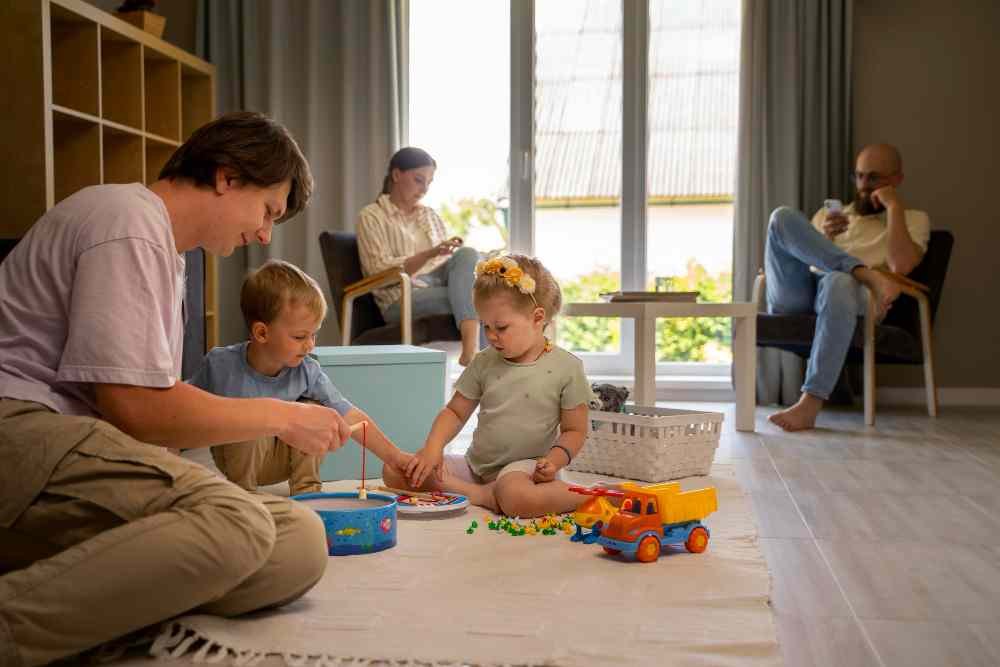
Are you tired of the overcrowded, rigid environment of traditional daycare centers? Many parents today are seeking a more nurturing, intimate childcare option that feels personal and secure. Enter just like home daycare, a family-style childcare alternative that offers a warm, homey atmosphere and individualized attention for children. This guide explores everything you need to know about just like home daycare—from its core philosophy and benefits to how to choose the right provider or even set up your own.
In recent years, as many as 70% of parents have expressed a preference for smaller, home-based childcare settings over large centers. This trend reflects growing awareness of the emotional, developmental, and practical advantages that just like home daycare environments provide. Whether you’re a parent searching for the ideal care option or a caregiver interested in launching your own home daycare, this comprehensive guide offers actionable insights to help you make informed decisions.
Throughout this article, the term just like home daycare will be woven naturally to help both readers and search engines understand the topic’s relevance. You’ll discover key benefits, setting tips, daily activities, cost considerations, and more. By the end, you’ll feel confident navigating this cozy childcare choice that many families cherish.
Where Did Just Like Home Daycare Begin and What Sets It Apart?
Understanding the Just Like Home Daycare Philosophy
At its heart, just like home daycare prioritizes a nurturing environment where children feel emotionally secure and valued. Unlike traditional centers with large groups and structured classrooms, home daycare settings keep group sizes small—typically between 4 to 8 children—and emphasize personalized care that mimics a family atmosphere.
The caregiver-child ratio is much more intimate, often 1:4, allowing for stronger bonds and more tailored support. Children grow in familiar surroundings, often with natural routines that respect their individual rhythms and curiosity. This approach encourages exploration and learning in a safe, cozy environment.
Comparing Just Like Home Daycare to Traditional Centers
| Feature | Just Like Home Daycare | Traditional Center Daycare |
|---|---|---|
| Group Size | 4-8 children | 15-25 children |
| Environment | Home-like, cozy | Classroom-style |
| Caregiver Ratio | 1:4 intimate | 1:10 structured |
| Flexibility | Custom schedules | Fixed routines |
| Cost | Often lower | Higher fees |
This table highlights how just like home daycare offers smaller groups and more flexible scheduling, which many parents find invaluable. The home-like environment also reduces exposure to common illnesses found in larger groups and fosters sibling-like relationships among children.
Why Just Like Home Daycare Benefits Children and Parents Alike
Emotional Security and Strong Bonds
Children in just like home daycare settings often experience less separation anxiety because the environment feels like an extension of their own home. The consistent presence of a loving caregiver and a small peer group creates a sense of extended family, which builds emotional resilience.
Developmental Advantages Through Hands-On Learning
The intimate setting supports hands-on, play-based learning that enhances cognitive, social, and motor skills. Kids engage in sensory activities, arts and crafts, and outdoor exploration, all tailored to their developmental stage. This natural learning pace encourages curiosity and confidence.
Parental Perks: Flexibility and Peace of Mind
Parents appreciate the flexible hours and personalized communication that just like home daycare providers offer. Many caregivers prepare home-cooked meals and provide real-time updates on children’s activities and milestones. This transparency builds trust and helps busy parents stay connected.
- Healthier Environment: Reduced illness transmission compared to large centers.
- Stronger Parent-Provider Bonds: Open communication and personalized care.
- Inclusion: Many providers welcome children with special needs without requiring separate facilities.
Recent parent testimonials echo these benefits, praising providers for “making our child feel part of their family” and “offering flexible drop-off times that fit our work schedule.”
How to Choose the Right Just Like Home Daycare for Your Child
Finding the perfect just like home daycare involves careful consideration to ensure safety, quality, and fit.
Step 1: Verify Licensing and Background Checks
Ensure the provider complies with your state’s licensing requirements and has completed all necessary background screenings. This step safeguards your child’s wellbeing and your peace of mind.
Step 2: Assess Home Safety and Childproofing
Look for a fenced yard, secure storage for hazardous items, and safe play areas. Childproofing measures like outlet covers and stair gates should be in place.
Step 3: Observe Caregiver-Child Interactions
Spend time watching how the caregiver engages with children. Warmth, patience, and attentiveness are key indicators of quality care.
Step 4: Review Curriculum and Daily Routines
Ask about the daily schedule, types of activities, and how the provider supports learning and development. Flexibility to accommodate your child’s needs is important.
| Red Flags | Green Flags |
|---|---|
| Lack of licensing | Proper licenses and certifications |
| Unsafe or cluttered play areas | Clean, organized, childproofed spaces |
| Inflexible hours | Customized schedules |
| Minimal communication | Frequent updates and involvement |
Searching for the “best just like home daycare near me”? Use these criteria to narrow your options and ensure a positive experience.
Setting Up Your Own Just Like Home Daycare: A Provider’s Guide
If you’re considering becoming a just like home daycare provider, a well-planned setup is essential.
Design a Warm, Functional Space
Create learning stations for reading, sensory play, and arts and crafts. Montessori-inspired independence zones encourage children to choose activities and develop autonomy.
Develop a Balanced Daily Schedule
Mix structured group activities like morning circle time with free play periods. Include outdoor time and quiet moments for rest or reading.
Understand Legal Essentials
Research licensing requirements, insurance needs, and caregiver-to-child ratio laws in your area. These rules ensure safety and compliance.
Budget Your Startup Costs
| Expense Category | Estimated Cost Range |
|---|---|
| Licensing Fees | $500 – $1,000 |
| Safety Equipment | $1,000 – $2,000 |
| Learning Materials & Toys | $1,000 – $3,000 |
| Insurance | $500 – $1,000 |
| Marketing & Miscellaneous | $1,000 – $3,000 |
A total budget of $5,000 to $10,000 is common when launching a home daycare business.
Sample Daily Activities and Curriculum Ideas
Morning Circle Time
Gather children to share news, sing songs, and introduce the day’s theme.
Sensory Stations
Engage kids with water tables, sand play, or finger painting to stimulate senses and fine motor skills.
Outdoor Exploration
Take nature walks, encourage gardening, or play active games in a safe yard.
Quiet Time and Nap
Create a cozy space for rest or quiet reading to recharge.
Age-specific adaptations make these activities suitable from infants to preschoolers, fostering holistic growth through play.
Costs and Financial Considerations of Just Like Home Daycare
Home daycares typically charge between $200 and $400 per week per child, which is often lower than center-based daycare fees. Pricing varies by region, with urban areas tending toward higher rates.
Parents can also explore subsidies and tax credits that support childcare expenses. Additional costs might include meals, supplies, or extended hours, so clarify these with the provider upfront.
Key Takeaways
- Just like home daycare offers a cozy, family-style childcare environment with small groups and personalized attention.
- Children benefit emotionally and developmentally in these nurturing settings.
- Parents enjoy flexibility, communication, and peace of mind.
- Choosing the right provider involves checking licensing, safety, and caregiver engagement.
- Providers must plan space, schedule, and legal compliance carefully.
- Costs are generally more affordable than traditional centers, with potential subsidies available.
Conclusion
For parents seeking a childcare option that feels warm, secure, and personalized, just like home daycare is an excellent choice. It blends the comfort of home with professional caregiving, supporting children’s growth in a family-style setting. Whether you’re looking to find the ideal care or start your own home daycare, the benefits and practical tips shared here serve as a valuable resource. Reach out to local providers today or explore licensing requirements to begin your journey.
FAQs About Just Like Home Daycare
What is just like home daycare?
A small-group childcare setting in a provider’s home that offers personalized attention and a cozy environment.
How many children are typically cared for?
Usually 4 to 8 children, allowing more individual care than large centers.
Are just like home daycares licensed?
Most states require licensing; always verify your provider’s credentials.
How flexible are the schedules?
Providers often offer custom hours to fit working parents’ needs.
Is the cost lower than traditional daycare?
Generally yes, ranging from $200 to $400 per week per child.
Can special needs children be accommodated?
Many providers welcome children with special needs and tailor care accordingly.
How do I find a just like home daycare near me?
Search online with keywords like “best just like home daycare near me” and ask for referrals.
 Мария J