
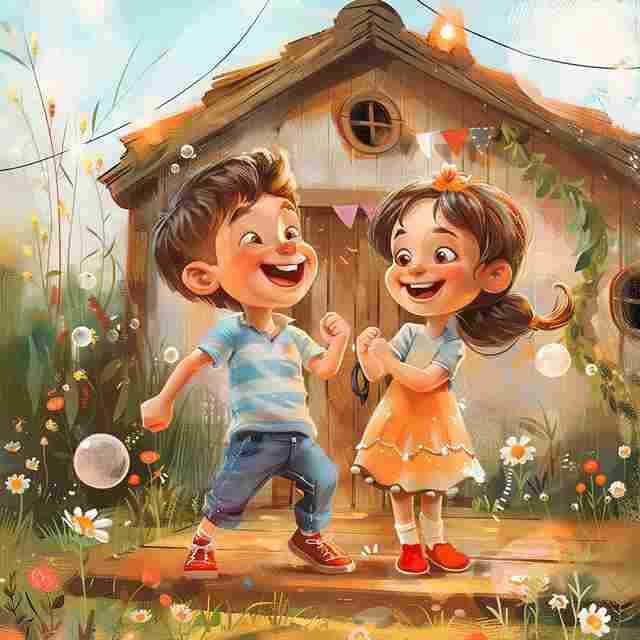
Have you ever found yourself humming “home again home again jiggity jig” as you pull into your driveway or return from a long day out? This playful phrase, woven into the classic “This Little Piggy” nursery rhyme, has delighted generations and become a symbol of the simple joy of coming home. In today’s fast-paced world, the chant “home again home again jiggity jig” is more than just a childhood memory—it’s a reminder of the comfort, warmth, and happiness that home brings to our lives.
Let’s take a closer look at the origins, meaning, and enduring appeal of “home again home again jiggity jig.” Whether you’re a parent, a nostalgia lover, or someone seeking to create new family traditions, this guide will help you rediscover the magic of this timeless rhyme. Read on to explore its history, cultural impact, fun activities, and how you can bring the spirit of “home again home again jiggity jig” into your own home.
Key Takeaways
Why “Home Again Home Again Jiggity Jig” Still Matters
- “Home again home again jiggity jig” is a beloved phrase from the “This Little Piggy” nursery rhyme, evoking nostalgia and joy.
- The chant symbolizes the happiness of returning home, making it perfect for family rituals and bonding.
- Its playful language supports child development and emotional security.
- The phrase has inspired countless adaptations in books, movies, and modern culture.
- Families and businesses can use “home again home again jiggity jig” to create meaningful homecoming traditions.
The Origins and Meaning of “Home Again Home Again Jiggity Jig”
What Does “Home Again Home Again Jiggity Jig” Really Mean?
At its heart, “home again home again jiggity jig” is a celebration of the journey back to a place of safety and love. The phrase appears at the end of the “This Little Piggy” rhyme, where the last piggy, after a day at the market, joyfully returns home. The “jiggity jig” part is onomatopoeic, mimicking the bouncy, excited trot of a piglet eager to be back in familiar surroundings.
Literally, the rhyme tells of a piggy’s market adventure ending with a happy homecoming and a delicious meal. Symbolically, it represents the comfort of routine, the anticipation of returning to loved ones, and the irreplaceable warmth of home. For many, saying “home again home again jiggity jig” is a way to mark the end of a journey—big or small—with a smile.
Historical Roots of the Nursery Rhyme
The roots of “home again home again jiggity jig” trace back to 18th-century England. The earliest printed version of “This Little Piggy” appeared in The Famous Tommy Thumb’s Little Story-Book in 1760. Over time, the rhyme evolved, influenced by folk tales and later included in Mother Goose collections. Its catchy rhythm and relatable story helped it spread across cultures, with variations popping up in Scotland, Ireland, and even the United States.
Linguistic Breakdown: Why “Jiggity Jig” Sticks
The phrase “jiggity jig” is memorable because of its playful repetition and alliteration. Linguists note that such patterns help children develop language skills, rhythm, and memory. According to child development experts like Piaget, rhymes with repetitive sounds and bouncy syllables are especially effective for early learning.
| Phrase Part | Meaning | Modern Equivalent |
|---|---|---|
| Home again | Returning to safety | “Back to base” |
| Jiggity jig | Bouncy joy | “Zoom home!” |
The fun, musical quality of “jiggity jig” makes it stick in our minds and hearts, turning a simple homecoming into a moment of celebration.
“Home Again Home Again Jiggity Jig” in Popular Culture
Appearances in Books, Movies, and Media
“Home again home again jiggity jig” has made its way into countless books, movies, and TV shows. Disney’s Home on the Range gives a playful nod to the phrase, while children’s programs like Sesame Street have used it to teach about routines and family. In literature, echoes of the rhyme appear in Beatrix Potter’s animal tales and modern children’s books that celebrate homecoming.
Recently, the phrase has found new life on social media platforms like TikTok, where parents and creators use it in videos about family life, travel, and the joy of returning home. Parenting memes and viral videos often feature the chant, proving its timeless appeal.
Famous Variations and Adaptations
Across regions, “home again home again jiggity jig” has inspired creative twists. In Scotland, you might hear “hame again, hame again, jiggity jig,” while in the U.S., brands have used the phrase in feel-good commercials for home products and services. Modern parodies and adaptations keep the rhyme fresh, making it a favorite for both nostalgia and new traditions.
YouTube Playlist: Renditions of “home again home again jiggity jig” (alt text: kids chanting home again home again jiggity jig)
Fun Ways to Bring “Home Again Home Again Jiggity Jig” to Life at Home
DIY Activities for Kids Featuring the Rhyme
- Finger Puppet Piggy Play: Create simple piggy finger puppets with felt or paper, then act out the “This Little Piggy” rhyme, ending with a joyful “home again home again jiggity jig” dance.
- Sensory Homecoming Game: Set up a “market trip” obstacle course at home. Blindfolded kids collect items, then race back to a designated “home” spot, chanting the rhyme as they finish.
- Recipe Tie-In: Make a “piggy roast” together—think veggie skewers or mini sandwiches. Celebrate the meal with a round of “home again home again jiggity jig” at the table.
These activities not only make the rhyme interactive but also help children connect the words to real-life experiences.
Family Bonding Rituals Inspired by the Chant
- Evening Routine: Use the chant during the commute home from school or work. It signals the transition from busy day to family time.
- Travel Hack: After trips, especially with jet-lagged kids, chanting “home again home again jiggity jig” can make the return feel special and comforting.
- Business Tie-In: If your business offers home services, suggest using the chant as a fun way to welcome family members or clients back home.
Educational Benefits for Child Development
Reciting “home again home again jiggity jig” builds vocabulary, rhythm, and emotional security. According to the National Association for the Education of Young Children (NAEYC), nursery rhymes like this one support language development, listening skills, and a sense of belonging.
Why “Home Again Home Again Jiggity Jig” Resonates in Today’s World
The Psychology of Homecoming Joy
Returning home triggers a dopamine rush, according to psychologists studying attachment theory (Bowlby). The familiar sights, sounds, and routines of home provide comfort and security, especially after stressful days or long absences. In the post-pandemic era, the value of “home again” moments has only grown, making the phrase “home again home again jiggity jig” more meaningful than ever.
Modern Applications for Busy Families and Businesses
For busy families, the chant can be a productivity hack—use it to mark the end of work-from-home days or to help kids transition from activities to downtime. Businesses, especially those in real estate or home improvement, can evoke this nostalgia in branding to connect with clients on an emotional level.
Personal Stories and Reader Testimonials
Many readers share fond memories of parents or grandparents reciting “home again home again jiggity jig” after errands or vacations. Some have created their own family rituals, using the chant to celebrate reunions or new beginnings. We invite you to share your own stories in the comments—your experiences help keep the tradition alive.
Creating Your Own “Home Again Home Again Jiggity Jig” Traditions
Step-by-Step Guide to Custom Rhymes
- Identify Your Family’s “Market”: Whether it’s grocery shopping, school pickup, or a weekend adventure, choose a regular outing.
- Add a Personal “Jiggity Jig” Twist: Maybe it’s a silly dance, a special handshake, or a favorite snack upon returning home.
- Incorporate Into Routines: Make the chant part of your daily or weekly rituals, so everyone looks forward to coming home.
Tools and Resources for Families
Download free printables or use rhyme apps to help kids learn and personalize the chant. If you’re a business, offer a downloadable “homecoming ritual kit” to engage your audience and add value.
Overcoming Challenges in Making It a Habit
If kids are reluctant or parents are tired, keep it simple. Even a quick “home again home again jiggity jig” at the door can spark smiles. Consistency is key—over time, the ritual will become a cherished part of your family’s story.
Conclusion: Jiggity Jig Your Way Home
The phrase “home again home again jiggity jig” is more than a line from a nursery rhyme—it’s a celebration of the joy, comfort, and togetherness that home represents. By understanding its history, embracing its playful spirit, and weaving it into your family’s routines, you can create lasting memories and a sense of belonging for everyone you love.
Next time you hear “home again home again jiggity jig,” pause and savor the magic of coming home. Share your own traditions in the comments below, and subscribe for more family-friendly inspiration. For more on the history of nursery rhymes, visit the British Library’s rhyme archives or explore our related posts on family home tips and bonding activities.
Frequently Asked Questions About “Home Again Home Again Jiggity Jig”
What is the origin of “home again home again jiggity jig”?
The phrase comes from the “This Little Piggy” nursery rhyme, first printed in 18th-century England. It has since become a beloved part of English-speaking culture, symbolizing the joy of returning home.
How can I teach “home again home again jiggity jig” to toddlers?
Use finger puppets, sing the rhyme during daily routines, and make it interactive with games or dances. Repetition and playfulness help toddlers learn and enjoy the chant.
Are there variations of “home again home again jiggity jig” around the world?
Yes! In Scotland, you might hear “hame again, hame again, jiggity jig.” Other cultures have adapted the phrase to fit local languages and traditions, but the spirit of joyful homecoming remains universal.
What are some fun activities for “home again home again jiggity jig”?
Try puppet shows, sensory games, or cooking together. Use the chant to mark the end of outings or to welcome family members home.
Why does “home again home again jiggity jig” feel so comforting?
The rhyme’s repetition, rhythm, and association with homecoming trigger positive emotions and a sense of security, making it a favorite for children and adults alike.