
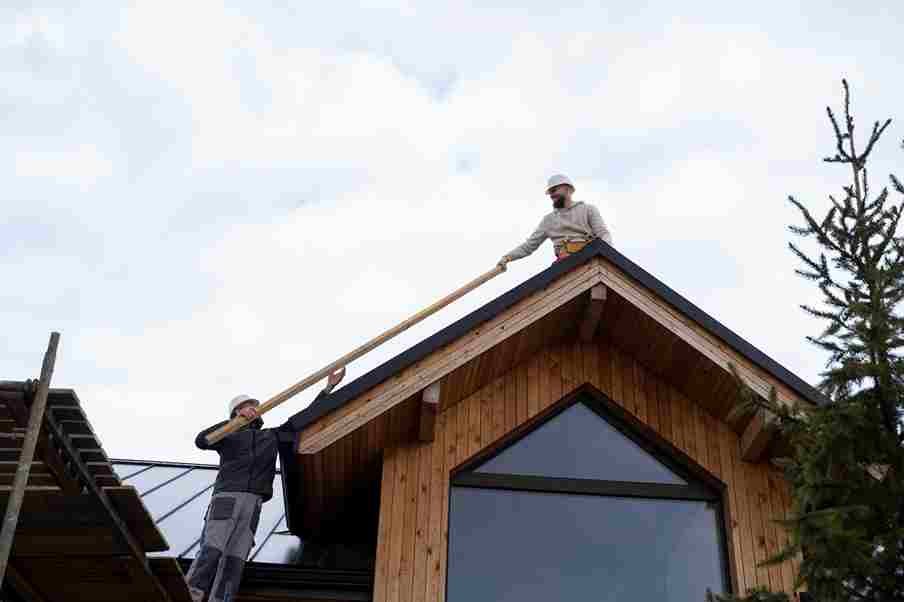
Ever noticed the board running along the edge of your roof? That’s your home fascia, a critical yet often overlooked component of your house. Acting as the vertical trim board at the roof’s edge, the fascia provides structural support, protects your home from weather and pests, and serves as the attachment point for gutters. Without it, your home’s roofline would be vulnerable to water damage, mold, and even pest infestations.
In this guide, we’ll explore everything you need to know about home fascia—its purpose, materials, common problems, and maintenance tips. Whether you’re a homeowner looking to protect your investment or someone curious about home improvement, this post will provide valuable insights. Read on to learn how to keep your fascia in top shape and avoid costly repairs.
What Is Home Fascia?
Definition and Purpose
The fascia is the flat, vertical board that runs along the lower edge of your roofline. It’s visible from the ground and plays a crucial role in sealing the ends of your roof rafters. Often paired with soffits (the horizontal underside of the roof overhang), the fascia completes the roofline’s aesthetic while providing essential functionality.
| Component | Description | Role in Home Fascia |
|---|---|---|
| Fascia Board | Vertical plank (wood, PVC, aluminum) | Supports gutters, blocks weather elements |
| Soffit | Horizontal underside panel | Ventilates attic, pairs with fascia |
| Drip Edge | Metal flashing | Directs water over fascia |
Evolution of Fascia Materials
Historically, fascia boards were made from untreated wood, which was prone to rot and decay. Today, modern materials like PVC, aluminum, and fiber cement offer increased durability and resistance to weather, making fascia boards more reliable and long-lasting.
Functions of Home Fascia
Structural Support
The fascia provides critical structural support by bearing the weight of gutters, especially during heavy rainstorms. Without a sturdy fascia, gutters could sag or detach, leading to water pooling around your home’s foundation.
Weather Protection
Fascia boards act as a barrier against rain, wind, and snow, preventing moisture from seeping into your roofline. This protection reduces the risk of rot, mold, and water damage, which can compromise your home’s structural integrity.
Pest Deterrence
By sealing the roof cavity, fascia boards prevent birds, insects, and rodents from entering your attic. This helps maintain a pest-free home and reduces the risk of infestations.
Aesthetic Appeal
Fascia boards give your roofline a clean, finished look, enhancing your home’s curb appeal. They can be painted or customized to match your home’s exterior design.
Ventilation Aid
When paired with soffits, fascia boards contribute to proper attic ventilation. This improves energy efficiency and can reduce cooling costs by 10-15%.
Types of Home Fascia Materials
Choosing the right fascia material depends on your budget, climate, and maintenance preferences. Here’s a comparison of common options:
| Material | Pros | Cons | Cost (per linear ft.) | Lifespan |
|---|---|---|---|---|
| Wood | Affordable, paintable | Prone to rot, high upkeep | $5-10 | 10-20 years |
| Aluminum | Durable, low-maintenance | Dents easily | $8-15 | 30+ years |
| Vinyl/PVC | Rot-proof, inexpensive | Brittle in cold climates | $4-9 | 20-30 years |
| Fiber Cement | Fire-resistant, long-lasting | Heavy, costly | $10-20 | 50+ years |
For humid climates, vinyl or PVC is a great choice due to its resistance to moisture. In areas prone to wildfires, fiber cement offers excellent fire resistance.
Common Home Fascia Problems
Rot and Decay
Wooden fascia boards are particularly susceptible to rot caused by water leaks or poor drainage. Signs of rot include soft spots, peeling paint, and discoloration.
Cracks and Warping
Vinyl fascia can crack or warp due to temperature fluctuations, while aluminum fascia may dent under impact. These issues compromise the fascia’s ability to protect your home.
Pest Damage
Carpenter bees and other pests can burrow into wooden fascia boards, causing structural damage. Regular inspections can help identify and address infestations early.
Gutter Separation
When gutters detach from the fascia, water can overflow and damage your home’s foundation. This is often caused by weak or deteriorating fascia boards.
Ignoring these problems can lead to costly repairs, including roof replacements that can exceed $5,000.
Signs Your Home Fascia Needs Repair
Early Warning Signs
- Sagging gutters or fascia boards
- Visible cracks, stains, or mold
- Bird nests or debris buildup near the roofline
- Bubbling paint or soft wood
Inspection Tips
Inspect your fascia biannually, especially after heavy rain. Use a ladder to check for damage and take photos to document any issues.
Home Fascia Maintenance Tips
Regular Cleaning
Clean your gutters quarterly to prevent water overflow that can damage the fascia. Remove leaves, debris, and dirt to ensure proper drainage.
Annual Inspections
Inspect your fascia and soffits annually for signs of wear and tear. Repaint wooden fascia boards with a weather-resistant primer to extend their lifespan.
Preventative Measures
- Trim overhanging branches to reduce the risk of impact damage.
- Apply sealant to fascia joints to prevent water infiltration.
For minor repairs, DIY solutions like wood filler or caulk can be effective. However, for extensive damage, it’s best to hire a professional.
Home Fascia Replacement Guide
When to Replace
If more than 30% of your fascia is damaged, replacement is often more cost-effective than repairs. Signs that replacement is necessary include severe rot, extensive cracks, and sagging gutters.
Cost Breakdown
Replacing fascia boards typically costs $10-25 per linear foot, with the average home requiring $1,500 to $5,000 for a full replacement. Professional installation ensures proper alignment and durability.
Replacement Process
- Remove the old fascia board.
- Install new boards with proper flashing and sealant.
- Paint or finish the fascia to match your home’s exterior.
FAQs on Home Fascia
What is home fascia made of?
Home fascia can be made from wood, aluminum, vinyl, or fiber cement, each offering unique benefits and drawbacks.
How long does home fascia last?
The lifespan of fascia depends on the material. Aluminum and fiber cement can last 30-50 years, while wood typically lasts 10-20 years.
How much does it cost to repair home fascia?
Repair costs range from $500 to $2,000, depending on the extent of the damage and the material used.
Can I replace fascia boards myself?
DIY replacement is possible for small sections, but professional installation is recommended for larger projects to ensure proper alignment and durability.
Conclusion
Your home fascia plays a vital role in protecting your home from weather, pests, and structural damage. Regular maintenance and timely repairs can extend its lifespan and save you from costly repairs down the line. If you notice signs of damage, don’t wait—schedule an inspection or replacement to keep your home safe and secure.