
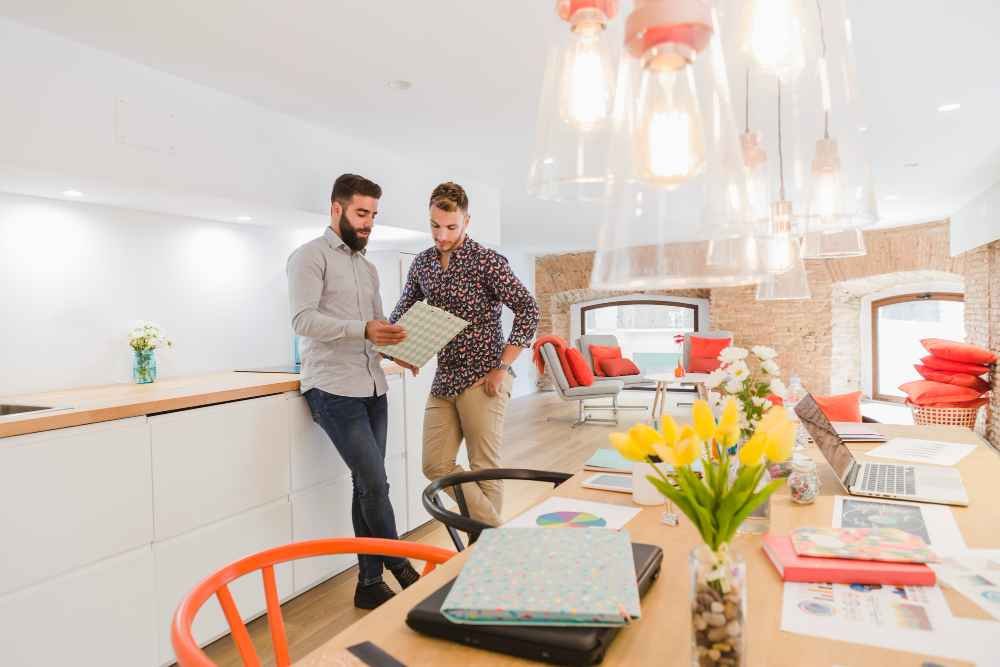
Home renovation has quietly shifted from a cosmetic exercise to a deeply intentional one. Homeowners are no longer chasing trends for the sake of novelty. Instead, they are asking better questions about how a space supports daily routines, emotional comfort, and long term value. Renovation today is about alignment between how we live and how our homes function.
This mindset is especially visible in projects that balance form and function with restraint. Clean lines, natural materials, and carefully planned layouts define modern residential upgrades. Rather than overwhelming a home with features, successful renovations refine what is already there and elevate it with purpose.
Why Home Renovation Has Become a Design Decision
Renovation used to begin with what needed fixing. Now it often begins with how a space feels. Light, flow, and proportion matter just as much as durability and efficiency. This shift reflects a broader appreciation for design as a quality of life investment rather than a purely financial one.
Many homeowners are prioritizing renovations that improve everyday experiences. Kitchens are being reworked for ease of movement. Living areas are opening up to encourage connection. Bathrooms are evolving into restorative spaces that support calm and routine. Early in the planning phase, it helps to explore examples of modern bathroom design and renovation services to understand how contemporary thinking blends aesthetics with usability in one of the most personal rooms in the home.
This approach also reduces the likelihood of regret. When design decisions are rooted in lifestyle rather than impulse, spaces tend to age more gracefully and remain satisfying long after completion.
Planning Before Building
One of the most common renovation pitfalls is underestimating the planning stage. A thoughtful renovation is rarely improvised. It requires clarity around goals, constraints, and priorities before any physical work begins.
Successful planning starts with observation. How does the household move through the space today. Where do bottlenecks occur. Which areas feel underused or overly crowded. These insights shape decisions around layout changes, storage solutions, and material choices.
Budgeting is also part of this clarity. A well defined scope helps avoid compromises that can undermine the overall result. Rather than spreading resources thinly across many upgrades, focusing on fewer high impact improvements often yields a more cohesive outcome.
The Role of Material Selection
Materials are the quiet storytellers of a renovation. They influence not only how a space looks, but how it wears over time. In contemporary home improvements, there is a strong preference for materials that feel honest and tactile.
Natural stone, engineered wood, and matte finishes are favored for their ability to age well. These materials develop character rather than showing wear. In high use areas, durability is just as important as appearance. Surfaces should be chosen with maintenance and longevity in mind.
There is also growing awareness around sustainability. Homeowners are increasingly selecting materials that reduce environmental impact without sacrificing quality. This includes low emission finishes, responsibly sourced wood, and fixtures designed to conserve water and energy.
Rethinking Layout for Modern Living
One of the most transformative aspects of renovation is reimagining layout. Older homes often reflect lifestyles that no longer align with how people live today. Rooms may be compartmentalized, circulation awkward, or natural light underutilized.
Modern renovations often focus on improving flow. This does not always mean removing walls. Sometimes it involves widening openings, adjusting sightlines, or repositioning functional zones within a room. The goal is to create a sense of openness without losing definition.
In bathrooms, layout changes can be especially impactful. Repositioning fixtures, improving storage, and optimizing lighting can dramatically alter how the space feels and functions without increasing its footprint.
Design Choices That Age Well
Trends move quickly, but renovations should not. One of the hallmarks of a well considered home improvement is its ability to remain relevant over time. This does not mean avoiding contemporary design. It means using it selectively.
Neutral palettes, balanced proportions, and timeless materials form a strong foundation. Statement elements can then be layered in through lighting, hardware, or custom features that are easier to update in the future.
According to recent industry data, homes with cohesive and functional renovations tend to retain higher resale value, with well executed bathroom upgrades often recouping a significant portion of their cost. While financial return should not be the sole motivator, it reinforces the value of thoughtful design decisions.
The Importance of Lighting
Lighting is often underestimated in renovation planning, yet it has a profound effect on how a space is experienced. Natural light should be maximized wherever possible through window placement, reflective surfaces, and thoughtful layout.
Artificial lighting deserves equal attention. Layered lighting strategies that combine ambient, task, and accent lighting create flexibility and comfort. In practical spaces like kitchens and bathrooms, proper illumination enhances both safety and usability.
The goal is not brightness alone, but balance. Light should support the intended mood of each space while accommodating different times of day and activities.
Renovation as a Long Term Investment
A home renovation is one of the few investments that directly affects daily life. When done well, it can reduce friction, improve comfort, and support well being for years to come.
Recent housing studies indicate that homeowners are staying in their homes longer, which has increased demand for renovations that prioritize livability over short term appeal. This shift underscores the importance of designing spaces that adapt to changing needs rather than chasing fleeting trends.
Working with experienced designers and builders who understand this philosophy can make a meaningful difference. Their role is not just to execute, but to guide decisions that align with both present and future use.
Bringing It All Together
At its best, home renovation is a process of refinement. It strips away what no longer serves and replaces it with solutions that feel intentional and enduring. Each choice, from layout to materials to lighting, contributes to a larger narrative about how the home supports its occupants.
Whether the project is a single room or a whole house, the principles remain the same. Start with purpose. Plan with clarity. Design with longevity in mind. When renovation is approached this way, the result is not just a more beautiful home, but one that feels distinctly aligned with the way you live.