
Are You Struggling with Bloating, Fatigue, or Digestive Issues?
If you’ve been dealing with persistent bloating, abdominal discomfort, or unexplained fatigue, you might be experiencing symptoms of Small Intestinal Bacterial Overgrowth (SIBO). SIBO occurs when bacteria that are normally found in other parts of the digestive system grow excessively in the small intestine, leading to a range of uncomfortable and sometimes debilitating symptoms. Often misdiagnosed as Irritable Bowel Syndrome (IBS), SIBO can go untreated for years, worsening over time.
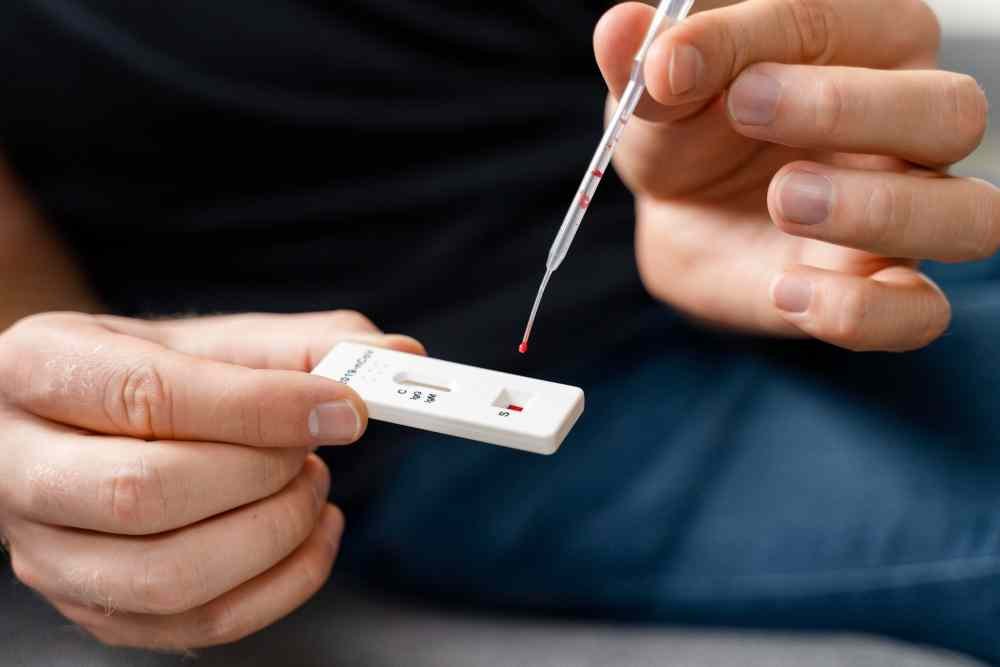
Fortunately, advancements in medical technology have made diagnosing SIBO easier than ever. With an at-home SIBO test, you can now detect this condition conveniently and accurately without visiting a clinic. This guide will walk you through everything you need to know about at-home SIBO tests, from how they work to the best kits available, and what to do after receiving your results.
What is SIBO?
Understanding Small Intestinal Bacterial Overgrowth
SIBO, or Small Intestinal Bacterial Overgrowth, is a condition where an abnormal amount of bacteria accumulates in the small intestine. These bacteria ferment carbohydrates, producing gases like hydrogen, methane, and hydrogen sulfide, which can disrupt digestion and lead to various symptoms.
Types of SIBO
There are three main types of SIBO, categorized by the dominant gas produced:
- Hydrogen-Dominant SIBO: Often associated with diarrhea.
- Methane-Dominant SIBO (IMO): Linked to constipation and slower gut motility.
- Hydrogen Sulfide SIBO: A newer category, associated with symptoms like bloating and a rotten egg smell in gas.
How Common is SIBO?
Studies suggest that up to 80% of IBS cases may actually involve SIBO. Risk factors include:
- Slow Gut Motility: Conditions like diabetes or opioid use can slow digestion.
- Structural Issues: Adhesions from surgery or diverticula can trap bacteria.
- Low Stomach Acid: Proton pump inhibitors or aging can reduce stomach acid, allowing bacteria to thrive.
SIBO Symptoms
Common Signs of SIBO
SIBO symptoms can vary but often include:
- Bloating: Especially after meals.
- Abdominal Pain: Cramping or discomfort.
- Gas: Excessive flatulence or belching.
- Diarrhea or Constipation: Depending on the type of SIBO.
- Fatigue and Brain Fog: Caused by nutrient malabsorption.
- Nutrient Deficiencies: Low levels of B12, iron, or fat-soluble vitamins.
Differentiating SIBO from IBS
While IBS and SIBO share overlapping symptoms, the timing and location of symptoms can help differentiate them. SIBO symptoms often occur shortly after eating, as the bacteria in the small intestine ferment food.
Why Early Diagnosis Matters
Left untreated, SIBO can lead to complications like leaky gut syndrome, malnutrition, and chronic inflammation. If you’re experiencing these symptoms, an at-home SIBO test can provide the answers you need.
Why Choose an At-Home SIBO Test?
Benefits of At-Home Testing
At-home SIBO tests offer several advantages over traditional clinic-based tests:
- Convenience: Test from the comfort of your home without scheduling appointments or traveling.
- Cost-Effective: Kits typically cost $200-$400, compared to $500+ for in-office tests.
- Accuracy: Modern kits use lactulose or glucose substrates to measure gas production, providing reliable results.
Are At-Home SIBO Tests Reliable?
Yes, when performed correctly, at-home SIBO tests are highly reliable. Kits like Trio-Smart analyze three gases (hydrogen, methane, and hydrogen sulfide) for a comprehensive diagnosis. These tests are processed in certified labs, ensuring accuracy.
Comparing to Other Tests
Unlike blood or stool tests, which provide indirect evidence of SIBO, breath tests directly measure the gases produced by bacteria in the small intestine. This makes them the gold standard for SIBO diagnosis.
How Does an At-Home SIBO Test Work?
Step-by-Step Process
- Preparation: Follow a “white diet” (e.g., rice, chicken) for 24 hours before the test and fast for 12 hours.
- Baseline Sample: Collect a breath sample into a tube or bag.
- Drink Solution: Consume a lactulose or glucose solution to feed the bacteria.
- Timed Samples: Collect breath samples every 15-20 minutes for 2-3 hours.
- Mail to Lab: Use the prepaid envelope to send your samples for analysis.
The Science Behind It
When bacteria ferment the sugars in the solution, they produce gases like hydrogen and methane. These gases are absorbed into the bloodstream, exhaled through the lungs, and measured in your breath samples.
| Test Component | Purpose | Duration |
|---|---|---|
| Prep Diet & Fast | Clear gut baseline | 24 hours |
| Breath Samples | Measure gas levels | 2-4 hours |
| Lab Analysis | Quantify H2/CH4 rise | 5-14 days |
| Symptom Diary | Correlate with results | During test |
Top At-Home SIBO Test Kits Compared
Best Kits for At-Home Testing
| Kit Name | Gases Tested | Price | Turnaround | Prep Ease | Best For |
|---|---|---|---|---|---|
| Trio-Smart | H2, CH4, H2S | $350 | 2 weeks | Easy | Comprehensive |
| SIBOTest | H2, CH4 | $250 | 5 days | Moderate | Fast results |
| RefluxUK Kit | H2, CH4 | $200 | 2 weeks | Easy | Reflux-linked SIBO |
| Functional Gut | Lactulose/Glucose | $300 | Varies | Moderate | Malabsorption |
Top Pick: Trio-Smart
Trio-Smart stands out for its ability to measure three gases, making it the most comprehensive option. It’s ideal for those seeking detailed insights into their gut health.
Where to Buy
You can purchase these kits directly from their websites or platforms like Amazon. Be sure to check for regional availability and shipping options.
Interpreting At-Home SIBO Test Results
What Do the Results Mean?
- Positive: A gas rise of >20ppm within 90-120 minutes indicates SIBO.
- Negative: A flat line or late rise suggests no SIBO.
- Borderline: Retesting or consulting a doctor may be necessary.
Next Steps After a Positive Test
If your test is positive, consider the following:
- Antimicrobial Treatment: Herbs like berberine or oregano oil.
- Dietary Changes: A low-FODMAP diet can reduce symptoms.
- Prokinetics: Medications to improve gut motility.
FAQ
What’s the Most Accurate At-Home SIBO Test?
Trio-Smart is the most accurate, measuring hydrogen, methane, and hydrogen sulfide gases.
How Much Does an At-Home SIBO Test Cost?
Prices range from $200 to $400, depending on the kit.
Can I Test While on Antibiotics?
No, you should wait at least four weeks after completing antibiotics to ensure accurate results.
Is SIBO Curable?
Yes, with targeted treatment, many people experience significant relief or full resolution of symptoms.
Conclusion
An at-home SIBO test is a game-changer for those seeking answers to persistent digestive issues. With its convenience, accuracy, and affordability, it empowers individuals to take control of their gut health. Don’t let SIBO disrupt your life—order your at-home SIBO test kit today and start your journey toward relief and recovery.