
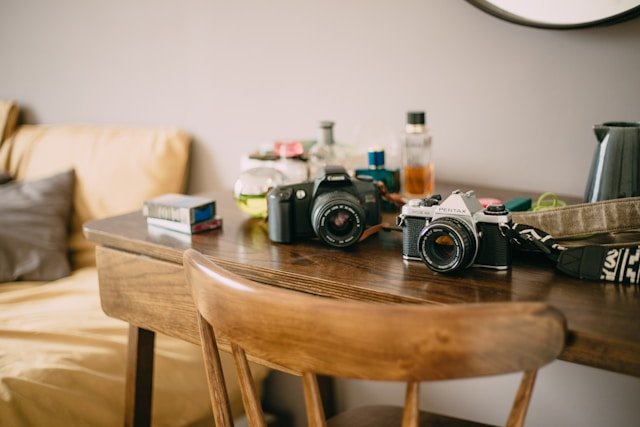
Have you ever wondered how to truly capture home in a photograph or video? Capturing home means more than just snapping pictures; it’s about preserving memories, showcasing spaces, and telling stories through images. Whether it’s documenting family moments, highlighting interior design, or marketing real estate, capturing home is an art form that requires the right techniques, tools, and understanding.
This comprehensive guide will explore everything you need to know about capturing home—from essential equipment and photography techniques to digital tools, storytelling, and ethical considerations. By the end, readers will feel confident in their ability to create beautiful, meaningful images that celebrate the essence of home.
Understanding “Capturing Home”
What Does Capturing Home Mean?
Capturing home involves photographing or filming the physical spaces, the people, and the emotions that make a house a home. It can refer to family portraits in cozy living rooms, architectural shots of a house’s exterior, or detailed pictures of interior decor. This multifaceted concept blends technical skill with personal connection.
Why Is Capturing Home Important?
Capturing home moments preserves memories for families to cherish. For real estate agents, strong home photography can make or break a listing’s success. Interior designers use these visuals to showcase their creativity. Ultimately, capturing home is about expressing a unique story and fostering emotional connections.
Different Aspects of Capturing Home
- Family Moments: Candid gatherings, celebrations, and everyday life.
- Architectural Photography: Highlighting the design, structure, and curb appeal.
- Interior Design Captures: Showcasing room layouts, decor, and ambiance.
Essential Equipment for Capturing Home
Choosing the Right Camera
DSLRs and mirrorless cameras offer superior image quality and manual controls, ideal for serious photographers. Smartphones, with advanced cameras, are great for casual or quick shots and have the advantage of portability.
Best Lenses for Home Photography
Wide-angle lenses are perfect for capturing entire rooms or exteriors, while prime lenses excel at detailed shots. Versatility is key when photographing varied home elements.
Tripods and Stabilizers
Using a tripod or stabilizer ensures sharp, blur-free images, especially in low light or for HDR photography. These tools stabilize the camera for consistent framing.
Lighting Equipment
Natural light is often the best for warm, inviting photos. However, artificial lights like softboxes and LED panels help control shadows and brighten dim areas.
Useful Accessories
Remote shutters reduce camera shake. Reflectors bounce light to fill shadows. Editing software enhances final images, correcting color and exposure.
Key Techniques for Capturing Home Photography
Mastering Composition
Following rules like the rule of thirds, leading lines, and framing guides the viewer’s eye and creates balanced photos.
Wide-Angle vs. Detail Shots
Wide-angle shots reveal spatial flow and scale, while close-ups highlight textures, decor, and personal touches.
Harnessing Natural Light
Shooting near windows or during golden hour adds softness and warmth to images. Avoid harsh midday sun that creates stark shadows.
Room-Specific Tips
- In living rooms, emphasize comfort and gathering spaces.
- Kitchens benefit from clean counters and bright lighting.
- Bedrooms should convey calm and relaxation.
Capturing Home Life
Candid shots of family members, pets, and daily routines add authenticity and emotion.
Using HDR Photography
High Dynamic Range (HDR) blends multiple exposures, balancing bright windows with darker interiors for vivid, true-to-life images.
Capturing Home for Real Estate Purposes
Why High-Quality Photos Matter
Listings with professional photos sell faster and often at higher prices. Photos are the first impression potential buyers get.
Staging Tips for Photography
Declutter rooms, arrange furniture to showcase flow, and add subtle decor accents to appeal broadly.
Best Angles to Showcase Features
Shoot from corners to maximize room size. Highlight architectural details and outdoor views.
Editing Without Overdoing It
Enhance brightness and contrast gently. Avoid unrealistic colors or excessive filters.
Drone Photography for Exteriors
Aerial shots provide perspective on property size and neighborhood context, attracting more buyers.
Storytelling Through Capturing Home
Photos as Narrative Tools
Beyond visuals, photos evoke feelings and memories, telling stories about family life, traditions, and personal style.
Incorporating Personal Elements
Including heirlooms, children’s artwork, or pet spaces makes images unique and heartfelt.
Capturing the Essence Beyond Spaces
Focus on interactions, emotions, and moments that transform a house into a home.
Examples of Emotional Captures
A sunlit child reading in a cozy nook or a festive dinner table tells stories words cannot.
Digital Tools and Apps for Capturing Home
Top Apps for Capturing and Editing
Apps like Lightroom, Snapseed, and VSCO offer powerful editing features accessible to all skill levels.
Sharing on Social Media
Platforms like Instagram and Pinterest showcase home captures to wide audiences, inspiring others and building communities.
Organizing Photos in the Cloud
Cloud services such as Google Photos provide secure storage and easy access across devices.
AI-Powered Enhancements
AI tools can automatically adjust lighting, remove noise, and sharpen images, saving time while improving quality.
Common Mistakes to Avoid When Capturing Home
Poor Lighting and Composition
Avoid harsh shadows or flat lighting. Take time to arrange shots thoughtfully.
Ignoring Clutter and Distractions
Remove unnecessary items that draw attention away from the main subject.
Over-Editing
Stay true to the natural look of the home to maintain authenticity.
Missing Key Details
Small features like door handles, unique fixtures, or textures add depth to the story.
Tips for DIY Capturing Home Projects
Budget-Friendly Equipment
Affordable tripods, smartphone lenses, and natural light can produce great results without breaking the bank.
Relaxing Family Members
Engage with subjects naturally to capture genuine expressions and moments.
Making It a Family Activity
Encourage everyone to participate, fostering bonding and creating shared memories.
Creating Albums and Photo Books
Compile best shots into printed or digital albums to preserve and enjoy over time.
Environmental and Ethical Considerations
Respecting Privacy
Always seek permission before photographing shared spaces or guests.
Sustainable Photography Practices
Use energy-efficient lighting and recycle packaging from new equipment.
Permissions in Shared Spaces
Clarify boundaries and consent to avoid discomfort or misunderstandings.
Key Takeaways
- Capturing home combines technical skill with storytelling to preserve memories and showcase spaces.
- Essential gear includes cameras, lenses, tripods, and lighting, but smartphones can also be effective.
- Techniques like composition, natural lighting, and HDR enhance photo quality.
- For real estate, staging and high-quality images increase property appeal.
- Digital tools and AI apps simplify editing and sharing.
- Avoid common mistakes like poor lighting and clutter.
- DIY projects can be fun and affordable with the right approach.
- Ethical and environmental mindfulness ensures respectful and sustainable photography.
Conclusion
Capturing home is a rewarding endeavor that preserves the heart and soul of everyday life and living spaces. By understanding the equipment, mastering photography techniques, utilizing digital tools, and embracing storytelling, anyone can create compelling images that resonate deeply. Whether for personal memories or professional purposes like real estate, capturing home is about more than pictures—it’s about connection.
Readers are encouraged to start their own capturing home journeys using the insights shared here. Sharing photos and stories can inspire others and build a community that cherishes the meaning of home.