
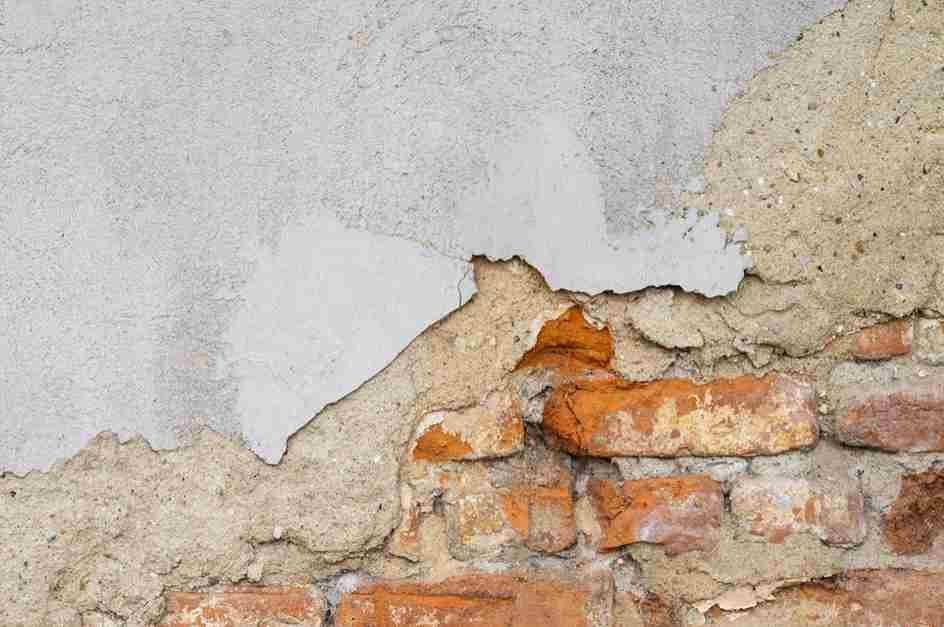
Have you noticed cracks forming in the foundation of your home? If so, you’re not alone. Cracks in home foundation are a common concern, affecting nearly 25% of homes in the United States annually. These cracks often raise questions: Are they harmless or indicative of a more serious structural issue? Left unchecked, foundation cracks can lead to structural instability, costly repairs, and even safety hazards.
In this comprehensive guide, we’ll walk you through the types of foundation cracks, their causes, and how to fix them. We’ll also provide actionable tips to prevent cracks, helping you maintain the integrity of your home. Whether you’re dealing with minor hairline fractures or significant structural gaps, understanding how to address foundation issues can save you time, money, and stress. Let’s dive in.
Types of Cracks in Home Foundation
Not all foundation cracks are created equal. Some are superficial and harmless, while others signal serious structural problems. Identifying the type of crack in your foundation is the first step toward determining the appropriate course of action.
Hairline Cracks
Hairline cracks are very thin, usually less than 1/16 inch wide, and often appear randomly on walls or floors. These are typically caused by normal settling of the house and are considered low-risk. However, if they widen over time, they may require attention.
Vertical Cracks
Vertical cracks run straight up and down or slightly diagonal, often resulting from the natural settling of the house after construction. These cracks are generally not serious but should be monitored for changes in width.
Horizontal Cracks
Horizontal cracks are more concerning. They run side-to-side on foundation walls and are often caused by pressure from soil or water outside the foundation. These cracks can indicate structural problems and usually require urgent professional repair.
Diagonal or Stair-Step Cracks
Diagonal cracks, often found in block foundations, run at a 30-45° angle. Stair-step cracks resemble steps in a staircase and are typically caused by shifting soil or uneven settling. These cracks are considered high-risk and should be addressed immediately.
Wide Cracks (>1/4 Inch)
Cracks wider than 1/4 inch are critical red flags. They often indicate significant structural stress, such as foundation movement or shifting. These cracks require immediate professional evaluation.
To measure cracks, use a crack gauge or a ruler. Monitor their growth over time to determine if they’re stable or worsening. If you notice any unusual changes, call a professional for an inspection.
Common Causes of Cracks in Home Foundation
Understanding the causes behind foundation cracks can help you prevent them in the future. Here are the most common reasons:
Soil Issues
Soil movement accounts for nearly 60% of foundation cracks. Expansive clay soils, for instance, shrink during dry periods and expand when wet, putting pressure on the foundation. Uneven settling caused by poorly compacted soil during construction can also lead to cracks.
Water Problems
Water is a major contributor to foundation damage. Poor drainage, leaking pipes, or heavy rains can erode the soil beneath the foundation, causing it to shift. Hydrostatic pressure from accumulated water can create horizontal or diagonal cracks.
Temperature Fluctuations
Seasonal changes, particularly freeze-thaw cycles, can cause the foundation to expand and contract. This movement can lead to cracking, especially in regions with extreme temperature variations.
Tree Roots and Overloading
Invasive tree roots can grow beneath your foundation, displacing soil and causing structural stress. Similarly, overloading the foundation with heavy additions, such as a second-story extension, can lead to cracks.
Construction Errors
Poor construction practices, such as an improper concrete mix, inadequate reinforcement, or rushed curing, can weaken the foundation and make it more prone to cracking.
For example, a homeowner in Texas discovered a slab leak that caused the soil to erode beneath their foundation, leading to significant cracks. After addressing the water issue and stabilizing the foundation, they were able to restore their home’s structural integrity.
Signs Your Cracks in Home Foundation Need Immediate Repair
Sometimes, cracks are more than just cosmetic issues. Here are signs that your cracks may require urgent attention:
- Sticky Doors and Windows: If doors or windows are difficult to open or close, it could indicate foundation movement.
- Uneven Floors: Sloping or uneven floors are often a sign of structural instability.
- Wall Gaps: Gaps between walls, ceilings, or floors suggest significant foundation stress.
- Expanding Cracks: If cracks are widening over time, they may indicate ongoing foundation movement.
Perform simple DIY checks, such as placing a level on the floor to detect unevenness or using a moisture meter to identify water damage. However, don’t rely solely on visual inspection—horizontal cracks, for example, may seem minor but could indicate underlying pressure issues. It’s always best to consult a professional.
How to Diagnose and Fix Cracks in Home Foundation
Fixing foundation cracks depends on their severity. Here’s a step-by-step guide:
DIY Repairs for Minor Cracks
- Inspect and Document: Take photos and measurements of the crack to monitor changes.
- Clean the Crack: Remove debris and dirt from the crack using a wire brush.
- Seal with Epoxy Injection: Use an epoxy or polyurethane injection kit to fill the crack. These kits typically cost around $50 and are effective for hairline cracks.
Professional Repairs for Major Cracks
For significant cracks, professional intervention is necessary. Common methods include:
| Fix Type | Cost Range | Best For |
|---|---|---|
| Epoxy Seal | $500-$2,000 | Hairline or small cracks |
| Piering | $10,000-$30,000 | Severe settling or shifting |
| Mudjacking | $3,000-$7,000 | Uneven slabs |
| Drainage Fix | $2,000-$5,000 | Water-related foundation issues |
Professional repairs not only address the cracks but also stabilize the foundation to prevent future damage. If you’re unsure about the severity of your cracks, schedule an inspection with a foundation expert.
Prevention Tips for Cracks in Home Foundation
Preventing foundation cracks is easier and more cost-effective than repairing them. Here are some tips:
- Maintain Proper Drainage: Ensure gutters and downspouts direct water away from the foundation. Grade the soil to slope away from the house.
- Install Root Barriers: Prevent tree roots from encroaching on the foundation by installing barriers during landscaping.
- Seasonal Maintenance: Insulate pipes to prevent freezing during winter and water the soil during dry spells to prevent shrinkage.
- Regular Inspections: Perform annual foundation checks to identify and address issues early.
By following these prevention tips, you can reduce the likelihood of cracks forming and prolong the life of your foundation.
FAQs
Are all cracks in home foundation bad?
No, small hairline cracks are often harmless and caused by normal settling. However, wider or horizontal cracks should be evaluated by a professional.
How much does it cost to fix foundation cracks?
The cost ranges from $500 for minor repairs to $30,000 for major structural fixes, depending on the severity and type of repair.
Can I fix foundation cracks myself?
DIY repairs are suitable for small, non-structural cracks. For major or growing cracks, professional intervention is recommended.
Conclusion
Cracks in home foundation are a common issue, but addressing them early can save you from costly repairs and potential safety hazards. By understanding the types and causes of foundation cracks, you can take the necessary steps to diagnose, repair, and prevent them. Regular maintenance, professional inspections, and proper drainage are key to preserving your home’s structural integrity.
If you’ve noticed cracks in your foundation, don’t wait—contact a foundation repair specialist for a thorough assessment. Protect your home and your peace of mind by taking action today.