
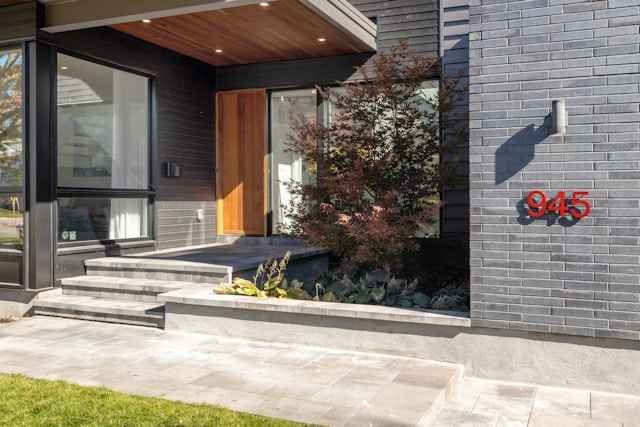
Have you ever driven past a house and felt instantly captivated by its warm, welcoming presence? That’s the magic of great home front design. From a bold front door to lush landscaping, your home’s exterior is the first thing people notice—and it speaks volumes about what’s inside. Whether you want to boost property value, impress visitors, or simply fall in love with your home all over again, mastering home front design is your ticket to a stunning first impression. This comprehensive guide dives deep into the essentials, trends, and tips you need to create a home front that truly stands out.
What Is Home Front Design?
Home front design is the thoughtful planning, styling, and maintenance of a home’s exterior façade and entryway. It creates a welcoming, attractive, and cohesive look, blending elements like architecture, materials, color, and landscaping.
Defining Home Front Design
At its core, home front design is about the artful combination of:
- Architectural details: Rooflines, porches, columns, trim, and other elements that define a home’s personality and style.
- Materials: Choices like wood, stone, brick, and siding that determine both the appearance and durability of the exterior.
- Color palette: Coordinated hues for siding, doors, and trim that convey mood and style.
- Landscaping: Plants, hardscaping, paths, and lighting that connect your home to its surroundings.
Why Home Front Design Matters
A well-planned home front design is more than just good looks. It:
- Boosts curb appeal: Making your home more inviting for guests and buyers.
- Adds value: Homes with appealing exteriors often sell faster and at higher prices.
- Reflects your lifestyle: Your home’s front is a canvas for personal expression.
Whether you’re planning a small update or a total makeover, investing in home front design pays off in pride and property value.
The Impact of Home Front Design on Curb Appeal
First impressions matter—especially in real estate. Home front design is the secret ingredient that turns an ordinary house into a standout.
How First Impressions Shape Perception
The exterior is the first thing anyone sees. A well-designed home front can:
- Create a sense of welcome: Inviting entryways and tidy landscaping make guests feel at home.
- Signal maintenance and care: A crisp, clean exterior hints that the inside is equally loved.
- Stand out in the neighborhood: Unique design details help your home shine.
Home Front Design and Property Value
The numbers don’t lie: Studies show that homes with strong curb appeal command a 7% to 14% price premium over similar properties with less appealing exteriors. Even small changes—like a fresh coat of paint or a new door—can have a big return on investment.
Before-and-After Examples
- Dated to dazzling: Swapping old siding for fiber cement and updating landscaping transformed a tired 1970s ranch into a modern beauty.
- Bland to bold: Adding a colorful door, statement lighting, and window boxes instantly lifted a plain façade.
These transformations prove the power of thoughtful home front design to elevate both looks and value.
Key Components of Effective Home Front Design
Designing a memorable home front is about harmonizing several elements. Here’s what matters most.
Architectural Styles and Their Front Designs
The architectural style of your house sets the tone for every design choice.
Modern
Modern homes feature clean lines, large windows, and minimal ornamentation. Materials like stucco, steel, and glass are common, and the color palette is typically restrained.
Colonial
Colonial homes are known for symmetry and classic details. Evenly spaced windows, shutters, and paneled front doors—often in rich, traditional hues—define this style.
Craftsman
Craftsman homes showcase deep porches, exposed rafters, and natural materials like wood and stone. Earthy colors and handcrafted details create a warm vibe.
Victorian
Victorian homes dazzle with ornate trim, turrets, and bold color schemes. Decorative details and stained glass add a touch of historic charm.
Choosing the Right Materials
Your material choices shape both the durability and the appearance of your home’s front.
Wood
Wood offers timeless beauty and warmth. Cedar and redwood are naturally rot-resistant, while engineered wood demands less upkeep.
Stone
Stone—whether natural or manufactured—adds texture and gravitas, perfect for accents like columns or entryways.
Brick
Brick is classic, durable, and low maintenance. Painted or exposed, it works with many styles.
Siding Options
Vinyl is affordable and versatile. Fiber cement mimics wood or stone, but offers greater weather resistance.
Color Palette Considerations
Color is one of the most powerful tools in home front design.
Popular Color Schemes
- Neutrals: Grays, taupes, and whites never go out of style.
- Bold contrasts: Black trim on white siding is modern and eye-catching.
- Nature-inspired: Greens, blues, and browns connect your home to the landscape.
Color Psychology
- Warm tones (reds, yellows) feel inviting and energetic.
- Cool tones (blues, greens) evoke calm and elegance.
- Dark hues create drama, while light tones brighten and open up the space.
Front Doors and Entryways
The front door is your home’s handshake—make it memorable.
Types of Doors
- Wood: Rich, classic, and customizable.
- Steel: Secure and modern, with a variety of styles.
- Glass: Adds light and elegance; frosted options protect privacy.
Door Finishes and Hardware
- Painted doors: Offer endless color options for a statement look.
- Stained wood: Celebrates natural grain and warmth.
- Hardware: Modern handles, knockers, and house numbers can refresh the whole entry.
Windows and Shutters
Windows shape the home’s personality and bring light inside.
Choosing Window Styles
- Double-hung: Classic and versatile.
- Casement: Clean lines, popular in modern homes.
- Bay/Bow: Add visual interest and extra space.
Adding Shutters
Shutters—functional or decorative—frame windows and add charm, especially on Colonial or Craftsman homes.
Landscaping and Outdoor Elements
A stunning home front isn’t complete without thoughtful landscaping.
Plant Choices
Mix perennials, shrubs, and ground covers for year-round color. Native species thrive with less water and maintenance.
Walkways and Paths
Curved walkways feel inviting and soften the landscape. Materials like flagstone, brick, or pavers add style.
Lighting
Well-placed lighting highlights architectural features and keeps entryways safe after dark.
Outdoor Decor
Planters, benches, and seasonal wreaths add personality and warmth.
Latest Trends in Home Front Design
Staying up-to-date keeps your home looking fresh and appealing.
Sustainable and Eco-Friendly Materials
Homeowners are prioritizing eco-conscious choices:
- Bamboo, reclaimed wood, and recycled composites for siding and decking.
- Low-VOC paints and stains for healthier air quality.
Smart Lighting and Tech Integration
- Motion-activated lights improve security and efficiency.
- Video doorbells and smart locks blend safety with style.
Mixed Materials and Textures
Blending stone, wood, and metal creates a dynamic, layered look that feels custom and on-trend.
Minimalist and Clean Line Designs
Less is more: streamlined shapes, uncluttered entryways, and simple landscaping are gaining popularity for their timeless appeal.
Landscaping Trends
- Drought-tolerant gardens: Native and xeriscape plants reduce water use.
- Pollinator gardens: Attract bees and butterflies for a lively, eco-friendly yard.
- Lighting for drama: Uplighting trees and pathways for nighttime appeal.
How to Plan Your Home Front Design Project
Careful planning leads to a smooth, successful transformation.
Assessing Your Current Home Front
Take a fresh look at your home’s exterior:
- Is the paint or siding in good shape?
- Does landscaping look neat and inviting?
- Is the entryway accessible and welcoming?
Photograph your home from the street for an objective view.
Setting Goals and Budget
Decide what you want to achieve:
- Minor refresh: Paint, new hardware, landscaping tweaks.
- Major overhaul: New siding, windows, or structural changes.
Set a realistic budget and prioritize updates with the best return on investment.
Hiring Professionals vs. DIY
- Professional designers offer expertise and access to quality materials. They help with permits and design cohesion.
- DIY projects save money and allow creative control, but require time, skill, and research.
Choose what fits your timeline, budget, and experience.
Permits and Neighborhood Guidelines
Many changes require permits or must follow homeowners’ association (HOA) rules. Always:
- Check local building codes and HOA guidelines.
- Secure permits before starting work.
DIY Tips to Enhance Your Home Front Design
Small changes can make a big difference—no massive budget required.
Easy Upgrades for Instant Appeal
- Paint the front door: A bold color instantly freshens the look.
- Swap out hardware: New house numbers, handles, and knockers are affordable and stylish.
- Install modern lighting: Improves safety and curb appeal.
Simple Landscaping Tweaks
- Add planters or window boxes: They bring color and texture.
- Mulch flower beds: Looks neat and helps plants thrive.
- Edge walkways: Crisp lines make a space look polished.
Seasonal Decorations and Maintenance
- Wreaths and doormats: Quick, festive updates.
- Power wash siding and pathways: Removes grime for a fresh appearance.
- Trim shrubs and trees: Keeps landscaping tidy year-round.
Common Mistakes to Avoid in Home Front Design
Even with the best intentions, design missteps happen.
Overloading with Too Many Elements
Don’t use every trend or accent at once. Simplicity and balance are key for curb appeal.
Poor Color Choices or Mismatched Materials
Colors and materials should complement each other and the home’s style. Avoid clashing hues or mixing too many textures.
Ignoring Climate and Environment
Choose plants and materials suited to your region’s weather for longevity and easy upkeep.
Key Takeaways
- Home front design is essential for curb appeal, property value, and personal enjoyment.
- Focus on architecture, materials, color, and landscaping for a cohesive look.
- Modern trends favor sustainability, smart tech, and minimalism.
- Plan carefully, set a budget, and check local rules before starting.
- Small DIY projects can have a big impact.
- Avoid overdecorating, mismatched elements, and climate missteps.
Conclusion
A thoughtfully crafted home front design is more than just a pretty face—it’s a smart investment in comfort, pride, and property value. With the right mix of architecture, materials, color, and landscaping, your home can make a statement that welcomes friends, delights family, and wows buyers.
Now is the perfect time to reimagine your home’s exterior. Start by assessing your current look, gather inspiration, and prioritize updates that reflect your personality and fit your budget. Whether it’s a DIY weekend or a full professional overhaul, every step brings you closer to a home front you’ll love.
Ready to transform your curb appeal? Put these tips into action and share your own before-and-after photos or questions below. Your dream home front is just a project away!