
Why Are New England Style Homes So Timeless?
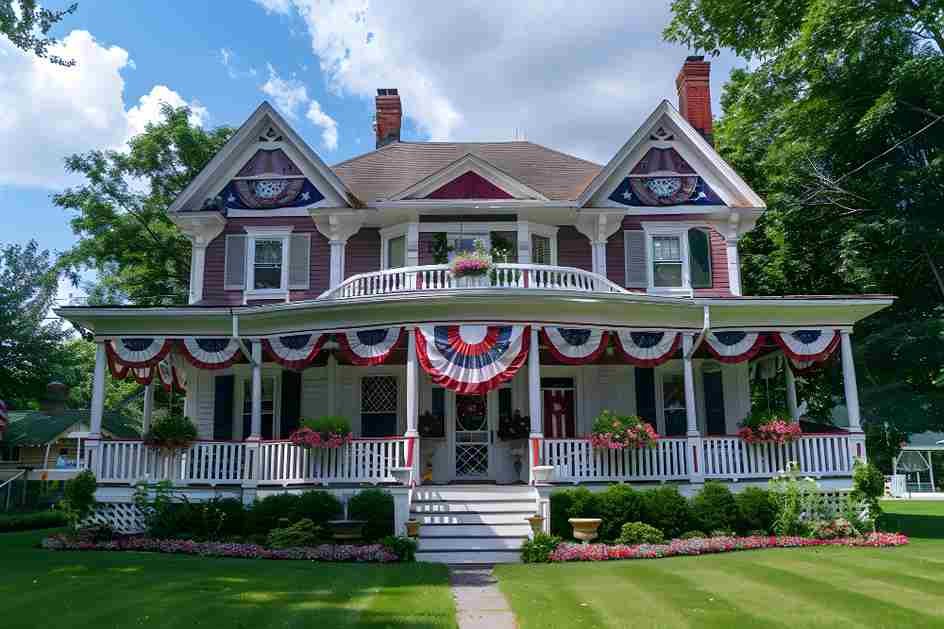
Picture this: a quaint home with clapboard siding, a steep gabled roof, and a brick chimney rising against a backdrop of autumnal foliage. This quintessential image of new england style homes is more than just a regional aesthetic; it’s an enduring symbol of American craftsmanship and tradition. Over 70% of historic homes in Massachusetts, for example, embody this iconic style, blending colonial charm with modern comfort.
At their core, new england style homes reflect a balance of form and function, designed to withstand harsh winters while offering timeless visual appeal. From Cape Cod cottages to colonial-inspired designs, these homes continue to captivate homeowners and architects alike. In this guide, we’ll explore the history, defining features, interior design, and modern adaptations of new england style homes. Whether you’re looking to buy, build, or renovate, this comprehensive guide will help you bring a piece of New England charm into your life.
History of New England Style Homes
Origins in Colonial America
The story of new england style homes begins in the 17th century, when Pilgrims and Puritans settled in the New England region. These early settlers needed practical homes that could endure harsh winters and strong winds. The result? Simple, sturdy structures with steep roofs to shed snow and central chimneys to provide heat.
Architectural Evolution
Over the centuries, the style evolved to incorporate new influences:
- Colonial Era (1600s): Functional Cape Cod cottages with symmetrical layouts.
- Georgian Period (1700s): Added symmetry, grander facades, and decorative moldings.
- Federal and Greek Revival (1800s): Introduced elegant columns, larger windows, and refined details.
Each period added layers of character, creating the diverse yet cohesive architectural language we associate with New England today.
Iconic Examples
Some of the most notable examples of new england style homes include the Hancock-Clarke House in Lexington, MA, and the reconstructed homes in Sturbridge Village. These historic landmarks showcase the timeless appeal of colonial architecture and its enduring influence on modern designs.
Defining Characteristics of New England Style Homes
Exterior Features
The exterior of a new england style home is instantly recognizable. Key elements include:
- Clapboard or Shingle Siding: Often made from weather-resistant wood like cedar, these materials age beautifully while protecting the home from the elements.
- Steep Gabled Roofs: Designed to shed snow and withstand New England’s variable climate.
- Central Chimneys: A functional centerpiece that also adds character.
- Multi-Pane Windows: Double-hung with 6-over-6 panes, offering both style and practicality.
- Symmetrical Facades: Balanced layouts with front-facing gables for added curb appeal.
Regional Subtypes
| Subtype | Key Features | Example Regions |
|---|---|---|
| Cape Cod | Low-pitched roof, central door, dormers | Massachusetts Cape |
| Saltbox | Asymmetrical roof with a long rear slope | Connecticut |
| Garrison Colonial | Overhanging second story | Rhode Island |
Color Palettes
Classic New England palettes favor crisp whites, grays, and nautical blues, often accented with black shutters or red doors for a pop of contrast.
Interior Design of New England Style Homes
Cozy and Functional Aesthetics
The interiors of new england style homes are as charming as their exteriors. They prioritize coziness, functionality, and timeless appeal. Signature elements include:
- Exposed Beams: Adding rustic warmth to ceilings.
- Wide-Plank Floors: Often made from pine or oak, these floors are durable and full of character.
- Fireplaces: Large brick or stone hearths serve as focal points in living spaces.
Room-by-Room Breakdown
- Kitchens: Shaker-style cabinets, soapstone or butcher block counters, and farmhouse sinks.
- Living Rooms: Wingback chairs, colonial moldings, and built-in bookcases.
- Bedrooms: Four-poster beds, cozy quilts, and soft neutral tones.
Modern Updates
Many homeowners are incorporating contemporary touches, such as open floor plans, smart home technology, and energy-efficient appliances, while preserving the traditional aesthetic.
New England Style Homes in Modern Contexts
A Popular Revival
In recent years, new england style homes have seen a resurgence in popularity. Post-pandemic trends favor cozy, sustainable designs that evoke a sense of nostalgia and comfort.
Architectural Adaptations
Modern interpretations of New England homes include:
- Energy-Efficient Features: Solar-compatible roofs and insulated windows.
- Open Floor Plans: While traditional homes often had smaller, compartmentalized rooms, modern layouts prioritize flow and natural light.
- Mixed Materials: Combining traditional wood siding with contemporary stone or metal accents.
Pros and Cons
- Pros: Timeless curb appeal, durability, and strong resale value (+15-20% in New England markets).
- Cons: Higher maintenance for wood exteriors and potential heating costs in older homes.
Building or Renovating New England Style Homes
Step-by-Step Guide
- Assess the Site: Ensure the design suits the climate and landscape.
- Choose Materials: Opt for cedar shingles or fiber cement alternatives for longevity.
- Hire Specialists: Work with architects experienced in historic or regional designs.
- Plan Your Budget: Expect $300-$500 per sq ft for new builds.
- Obtain Permits: Especially important in historic districts.
Cost-Saving Tips
- DIY painting or landscaping.
- Modular construction, which can save up to 20% on costs.
Where to Find and Buy New England Style Homes
Hot Markets
The best locations for new england style homes include:
- Massachusetts: Boston suburbs and Cape Cod.
- Maine: Coastal areas like Portland and Kennebunkport.
- Vermont: Countryside retreats with classic charm.
Pricing and Listings
Expect median prices of $600K-$1.2M, depending on the region and size. Platforms like Zillow and Realtor.com are great starting points for finding these homes.
Prefab Options
For those on a budget, prefab kits offer a cost-effective way to build a new england style home while maintaining authenticity.
Conclusion
New england style homes embody a perfect blend of history, charm, and practicality. From their iconic clapboard exteriors to their cozy interiors, these homes offer enduring appeal for families, history buffs, and modern homeowners alike. Whether you’re looking to buy, build, or renovate, these timeless homes continue to set the standard for classic American architecture.
Ready to start your journey toward owning a new england style home? Contact us today to explore your options or share your dream design in the comments below!
FAQ
What are new england style homes?
New england style homes are classic American houses featuring clapboard siding, steep roofs, and symmetrical designs, often inspired by colonial architecture.
How can I identify new england style homes?
Look for steep gabled roofs, multi-pane windows, central chimneys, and symmetrical facades with clapboard or shingle siding.
How much does it cost to build a modern new england style home?
Expect $300-$500 per sq ft for new builds, with total costs ranging from $300K to $600K or more, depending on size and materials.
What are the best colors for new england style homes?
Traditional palettes include crisp whites, grays, and blues, often accented with black shutters or red doors.
How do new england style homes differ from farmhouse designs?
While both styles emphasize simplicity, new england homes are more symmetrical and feature clapboard siding, whereas farmhouses often have more rustic, sprawling layouts.