
Have you ever wondered how the choice of nursing home rooms can affect the comfort and well-being of your loved ones? Selecting the appropriate room in a nursing home is a crucial step that influences not only daily life but also recovery and overall happiness. This guide explores everything about nursing home rooms—from types and key features to factors that help families make informed decisions.
What Are Nursing Home Rooms?
Nursing home rooms are living spaces designed specifically for elderly residents who require medical care and assistance with daily activities. These rooms serve as the personal quarters for residents during their stay and differ from other senior living options like assisted living or independent living by focusing on more intensive care needs. Understanding the purpose of these rooms helps families navigate options and find the best fit for their loved ones.
Types of Nursing Home Rooms
Private Rooms
Private rooms offer a single occupant complete privacy and personal space. These rooms usually include a private bathroom and allow residents to bring personal belongings and decorate according to their preferences. The benefits include reduced risk of infection, a quieter environment, and greater comfort.
Semi-private Rooms
Semi-private rooms are shared by two residents, which can encourage social interaction but require sharing space and bathroom facilities. These rooms tend to be more affordable than private rooms and may appeal to residents who enjoy companionship. However, they come with less privacy and require cooperation between roommates.
Specialized Rooms
Some nursing homes offer specialized rooms tailored to specific needs, such as memory care rooms for residents with dementia or rehabilitation rooms designed with equipment and accessibility in mind. These rooms include additional safety features and staff support.
| Room Type | Privacy Level | Cost | Typical Features |
|---|---|---|---|
| Private | High | Higher | Private bathroom, personalized decor |
| Semi-private | Medium | Moderate | Shared space, shared bathroom |
| Specialized | Varies | Varies | Extra safety features, medical equipment |
Key Features of Nursing Home Rooms
Safety Features
Safety is paramount. Nursing home rooms are equipped with handrails, emergency call systems, non-slip flooring, and wide doorways to accommodate wheelchairs. These features reduce the risk of falls and allow quick assistance when needed.
Accessibility
Rooms are designed to be wheelchair accessible, with bathrooms adapted for ease of use. Adjustable beds and grab bars ensure residents can move comfortably and safely.
Comfort and Amenities
Comfort includes quality furniture, climate control, and adjustable lighting. Many rooms provide televisions, telephones, and Wi-Fi to keep residents connected and entertained.
Technology Integration
Modern nursing home rooms incorporate monitoring devices that track residents’ health and alert staff of emergencies. Wi-Fi access supports communication with family and participation in online activities.
Personalization Options
Residents are encouraged to personalize their rooms with photos, artwork, and favorite furnishings to create a familiar and comforting environment.
Factors to Consider When Choosing a Nursing Home Room
Budget and Insurance
Private rooms typically cost more than semi-private ones, so families must consider financial resources and insurance coverage when making choices.
Resident’s Health and Care Needs
Health conditions may dictate the need for specialized rooms or proximity to nurse stations for quicker response times.
Privacy and Social Interaction
Some residents prefer solitude, while others thrive on social interaction. The choice between private and shared rooms should reflect these preferences.
Location Within the Facility
Rooms near nurse stations or common areas offer convenience but may experience more noise. Quiet locations may suit residents who value peace.
Natural Light and Views
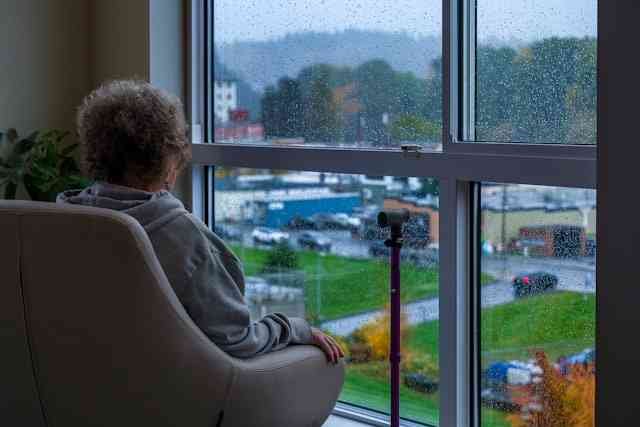
Exposure to natural light and pleasant views can improve mood and aid recovery, making room location important.
Safety Regulations and Compliance
Ensuring the nursing home complies with state and federal safety standards protects residents and provides peace of mind.
How Nursing Home Rooms Impact Quality of Life
Studies reveal that room type influences emotional well-being and recovery rates. Private rooms often reduce stress and improve sleep, while social roommates can reduce feelings of loneliness. The room environment plays a vital role in overall happiness and health.
Tips for Preparing for a Nursing Home Room Move
What to Pack and Bring
Essentials include comfortable clothing, personal hygiene items, medications, and cherished mementos to personalize the space.
How to Personalize the Space
Decorate with familiar photos, favorite blankets, and small furniture pieces to create a warm atmosphere.
Communicating with Staff
Discuss specific needs and preferences with nursing home staff to ensure a smooth transition and proper care.
Common Questions About Nursing Home Rooms
Are nursing home rooms furnished?
Most rooms come furnished with a bed, dresser, and nightstand, but residents can bring additional personal items.
Can residents choose their roommates?
This depends on the facility’s policies and room availability. Families can express preferences but may not always have control.
How often can families visit?
Visiting hours vary, but many nursing homes offer flexible or 24/7 visitation to support family involvement.
What happens when a resident’s condition changes?
Rooms can be changed or upgraded to meet evolving care needs, including transfer to specialized care units.
Key Takeaways
- Nursing home rooms vary from private to semi-private and specialized, each with unique benefits.
- Safety, accessibility, comfort, and personalization are essential features.
- Choosing a room depends on budget, health needs, privacy preferences, and location.
- The room environment significantly impacts residents’ quality of life.
- Preparing for a move and maintaining open communication with staff enhances the experience.
Conclusion
Choosing the right nursing home rooms is a vital decision that affects the comfort, safety, and happiness of elderly residents. By understanding the different room types, features, and factors to consider, families can make informed choices that promote well-being and ease transitions. For personalized guidance, reaching out to local nursing home experts is highly recommended. Protect your loved one’s future by selecting a space that truly feels like home.