
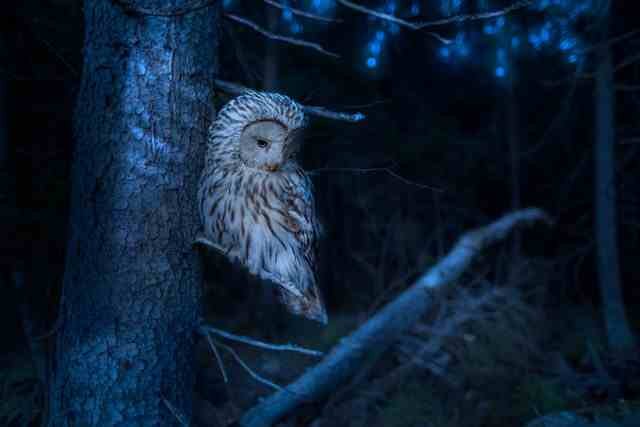
Have you ever heard the soft, haunting hoot of an owl drifting through your backyard on a quiet night and wondered what it means to have an owl at home? For many, the image of an owl perched nearby conjures feelings of mystery, wisdom, and a deep connection to the natural world. But what does it truly mean to welcome these elusive birds into our domestic spaces? Is it possible—or even ethical—to keep an owl at home, or should we focus on creating an inviting environment for wild owls to visit?
This comprehensive guide explores the allure of the owl at home, blending practical advice, fascinating facts, and cultural insights. Whether you’re a wildlife enthusiast dreaming of attracting owls to your garden, curious about their symbolism, or weighing the realities of keeping an owl as a pet, this article will illuminate every aspect of the owl at home experience. Let’s embark on a journey into the world of these remarkable nocturnal birds and discover how we can coexist with them in harmony.
Understanding Owls as Animals
The Diversity of Owl Species Near Homes
Owls are a surprisingly diverse group of birds, with over 200 species worldwide. In the United States, a handful of species are commonly spotted near residential areas, including the Great Horned Owl, Eastern Screech Owl, Barred Owl, and Barn Owl. Each species brings its own unique size, coloring, and vocalizations, but all share the classic wide-eyed, round-faced look that makes owls so beloved.
Unique Traits of Owls
Owls are built for nighttime living. Their large eyes collect even the faintest light, granting them extraordinary night vision. Their feathers are specially adapted for silent flight, allowing them to swoop down on prey undetected. Unlike many birds, owls have a facial disk—a circle of feathers that funnels sound toward their ears, giving them remarkable hearing.
Diet is another defining trait. Owls are carnivores, preying on rodents, insects, and sometimes small birds or reptiles. This specialized diet is a key reason why they play a vital role in controlling pest populations around homes and farms.
Wild Owls vs. Pet Owls
While some people are enchanted by the thought of having an owl at home as a companion, it’s important to understand the difference between wild owls and those occasionally kept in captivity. Wild owls are fiercely independent and require vast territories. Even owls bred in captivity demand specialized care, including a diet of whole prey and ample space for flight.
The Importance of Owls in Ecosystems
Owls are not just captivating—they’re crucial for ecological health. By controlling rodents and other pests, they help maintain balance in gardens, parks, and farmlands. Their presence is a sign of a healthy, functioning ecosystem. Encouraging owls to visit your home environment yields benefits far beyond simple fascination; it’s a way to support local biodiversity.
The Reality of Owls at Home: Can You Keep an Owl as a Pet?
Legal Framework: Can You Own an Owl?
In the United States, keeping an owl at home as a pet is heavily regulated. Most native owl species are protected by the Migratory Bird Treaty Act, which makes it illegal to possess, transport, or sell owls without special permits. These permits are generally reserved for licensed wildlife rehabilitators, educators, and researchers—not private citizens.
The Challenges of Keeping an Owl at Home
Even if keeping an owl were legal, the practical challenges are significant. Owls require specialized diets—typically live or frozen rodents—and vast enclosures to mimic their natural environment. They are messy eaters, produce significant waste, and can be aggressive or destructive if stressed.
Owls are also nocturnal, meaning they’re most active when most people are asleep. Their vocalizations, especially during breeding season, can be extremely loud and disruptive.
Ethical Considerations and Conservation
Beyond legality and logistics, ethical concerns loom large. Removing owls from the wild can harm local populations and disrupt delicate ecosystems. Captive-bred owls still have complex needs that are nearly impossible to meet in a typical home. Responsible wildlife stewardship encourages observation and appreciation—not ownership.
Alternatives: Appreciating Owls Without Ownership
The best way to enjoy an owl at home is by making your property inviting for wild owls. This allows you to witness their beauty and behavior without compromising their welfare. Educational programs, wildlife centers, and virtual owl cams also offer safe, ethical ways to connect with these fascinating birds.
Attracting Owls to Your Home Environment
Creating an Owl-Friendly Backyard
Transforming your backyard into an owl haven begins with understanding their needs. Owls are drawn to areas with abundant prey, natural cover, and safe nesting sites.
Installing Owl Nesting Boxes and Roosting Sites
Many homeowners have success attracting owls by installing specially designed nesting boxes. These boxes mimic the tree cavities that owls naturally use for nesting and roosting. Place boxes high in quiet, secluded spots, away from heavy human activity. Barn Owls, in particular, readily take to artificial nest boxes, while smaller species like Screech Owls appreciate smaller, well-camouflaged options.
Landscaping and Natural Habitats
Native plants, mature trees, and dense shrubs provide excellent cover for both owls and their prey. Avoid using pesticides, as these can harm the small mammals and insects that owls rely on for food. A brush pile in a corner of your yard or a dead tree left standing (if safe) can offer valuable habitat features.
Benefits of Hosting Owls
Attracting owls to your property comes with practical benefits. These birds are natural pest controllers, consuming large numbers of rodents and insects. Their presence can help reduce the need for chemical pest control, promoting a healthier, more sustainable landscape. Plus, the thrill of spotting or hearing an owl at home is a magical experience for adults and children alike.
What to Expect If an Owl Visits Your Home
Common Owl Species That Visit Residential Areas
Depending on your region, you might encounter different owl species. In suburban and rural parts of the United States, the Great Horned Owl and the Barred Owl are frequent visitors. Eastern Screech Owls are small and adaptable, often nesting in urban parks or backyard boxes, while the ghostly Barn Owl prefers open fields and barns.
Nocturnal Behaviors and Sounds
Owls are most active after dusk. Their calls range from the deep hoots of the Great Horned Owl to the eerie screeches of the Barn Owl. These vocalizations can serve as territorial warnings, mating calls, or communication between family members. Observing these behaviors can give you a rare window into the secret life of nocturnal wildlife.
Observing Owls Safely and Respectfully
If you’re lucky enough to spot an owl at home, observe from a distance. Use binoculars or a camera with a zoom lens to watch without disturbing. Avoid shining bright lights or making loud noises, especially if the owl appears to be nesting or feeding.
What to Do If You Find an Injured Baby Owl
Occasionally, homeowners stumble upon an injured owl or a grounded chick. If you find a baby owl on the ground, observe first—many fledglings leave the nest before they can fully fly and are still being cared for by parents. If the bird is clearly injured, contact a licensed wildlife rehabilitator or your local animal control for help. Never attempt to care for an owl yourself, as improper handling can do more harm than good.
Owl Symbolism and Cultural Significance at Home
Owls in Mythology, Folklore, and Décor
Owls have enchanted human cultures for millennia. In Ancient Greece, the owl symbolized wisdom and was associated with Athena, the goddess of knowledge. Native American traditions see owls as messengers or guardians, sometimes as omens or protectors. In modern times, owl motifs adorn everything from art to garden ornaments, bringing a touch of mystery and wisdom into home décor.
Symbolism of Owls in Different Cultures
In many cultures, owls represent intelligence, transition, and a connection to the spiritual realm. For some, they’re protectors; for others, harbingers of change. This rich tapestry of symbolism makes the owl a powerful figure in both personal and communal spaces.
Inspiring Creativity and Reflection
The presence—or even the idea—of an owl at home inspires creativity and introspection. Writers, artists, and dreamers often draw on the owl’s mystique to fuel their work. For families, an owl sighting can spark curiosity and learning about the natural world.
Practical Tips for Hosting an Owl Visitor Safely and Responsibly
Minimizing Disturbances and Respecting Wildlife
When welcoming an owl to your property, the golden rule is respect. Keep pets indoors at night to prevent accidental encounters. Avoid disturbing known nesting sites, and limit outdoor lighting during peak owl activity.
Using Technology: Owl Calls and Night Cameras
Modern technology can enhance your owl-watching experience. Devices that play recorded owl calls can sometimes attract curious owls, though these should be used sparingly to avoid causing stress. Night-vision cameras or wildlife trail cams offer a way to observe nocturnal behavior without intrusion.
Maintaining Safe Distance and Not Feeding Owls
Feeding wild owls is never recommended. Their diets are highly specialized, and human food can be harmful. Observing from a safe distance protects both you and the owl, ensuring that these wild visitors remain healthy and unafraid of people.
When to Call Wildlife Rehabilitation or Authorities
If you observe an owl in distress—signs include visible injuries, inability to fly, or odd behavior—contact local wildlife authorities or a rehabilitation center. These professionals have the training to provide proper care and support.
Frequently Asked Questions About Owls at Home
Can an Owl Be Tamed or Domesticated?
Owls are wild animals with instincts that can’t be truly tamed. Even those raised in captivity require expert care and remain unsuitable as pets for most people.
How Often Do Owls Visit Suburban Homes?
Owl sightings are more common than many realize, especially in areas with mature trees and abundant prey. However, their nocturnal habits mean they’re often heard more than seen.
What Sounds Do Owls Make and What Do They Mean?
Owls produce a range of calls—hoots, screeches, trills—each with a distinct purpose. Hoots often mark territory, while screeches or whistles may serve as mating calls or alerts.
How Can Homeowners Coexist With Owls Peacefully?
By preserving natural habitats, avoiding pesticides, and respecting owl space, homeowners can create a welcoming environment that allows for peaceful coexistence with these remarkable birds.
Key Takeaways
- Owls at home are best appreciated as wild visitors, not pets
- Creating an owl-friendly yard supports biodiversity and natural pest control
- Observing owls requires respect for their space and natural behaviors
- Owls hold powerful symbolism in culture and home décor, inspiring creativity and curiosity
- Legal and ethical considerations make keeping an owl as a pet generally inadvisable
- If you encounter an injured or baby owl, always seek professional help
Conclusion
Welcoming an owl at home is less about captivity and more about coexistence. These magnificent birds enrich our lives with their beauty, mystery, and ecological importance. By fostering an owl-friendly environment, supporting conservation efforts, and respecting their wild nature, each person can play a role in protecting these vital creatures for generations to come.
Have you experienced the magic of an owl visit at your own home? Share your stories or follow this blog for more insights into living in harmony with wildlife. Together, we can create spaces where nature and people thrive—side by side, under the watchful gaze of the world’s most enchanting night visitor.