
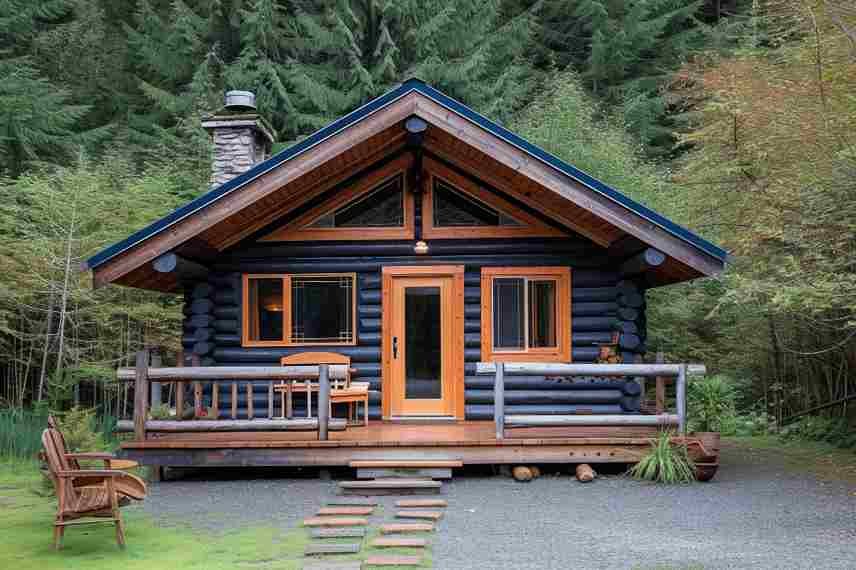
Are you curious about what makes a pole barn home an increasingly popular choice for affordable, durable housing? Pole barn homes cut construction time by nearly 50% and can save homeowners 30-50% compared to traditional stick-built houses. This guide dives into everything anyone interested in a pole barn home needs to know—from construction basics and cost breakdowns to design trends and financing tips.
A pole barn home is a type of post-frame building that uses embedded poles for framing instead of conventional foundations. Combined with metal siding and roofing, these structures offer open interiors, flexible layouts, and robust durability. Whether you want a rustic barndominium or a modern shouse, a pole barn home combines affordability and versatility.
With over 3000 words ahead, this post covers the essential benefits, costs, popular designs, building steps, pros and cons, plus financing strategies. If you’re ready to explore how a pole barn home might fit your lifestyle and budget, let’s get started!
What Is a Pole Barn Home?
Core Construction Basics
At its heart, a pole barn home is framed using large, pressure-treated wood or steel poles sunk 4 to 6 feet deep into the ground. These poles serve as the structural skeleton, supporting horizontal girts and purlins that hold up the roof and walls. Unlike traditional homes that require full foundations, pole barn homes usually rest on minimal foundations like concrete slabs or piers, reducing site prep and cost.
The use of trusses allows for wide-open interior spaces with spans up to 80 feet, offering flexibility for different layouts. Exterior walls are often metal panels, which provide weather resistance and low maintenance, while interiors can be insulated and finished like conventional homes.
History & Evolution
Pole barn construction traces back to agricultural barns built in the 1930s Midwest, designed for quick, economical shelter for equipment and livestock. Over time, this practical design evolved into residential homes—popularly called barndominiums or shouses (shop-houses)—especially in rural areas across the United States.
Today’s pole barn homes blend traditional barn aesthetics with modern comforts, appealing to homeowners seeking custom, spacious, and cost-effective living solutions without sacrificing style.
Key Benefits of Pole Barn Homes
Cost Savings
One of the biggest draws of a pole barn home is the significant cost savings. Building costs range from $100 to $150 per square foot, compared to $200 or more for traditional stick-built homes. Savings come from reduced materials, simplified framing, and faster construction timelines.
Fast Build Time
The streamlined construction process means the building shell can go up in just a few weeks, versus months for conventional homes. This efficiency not only saves money on labor but gets homeowners into their new space quicker.
Durability & Low Maintenance
Pole barn homes are built to last. Metal siding and roofing withstand harsh weather elements including strong winds and heavy snow, often lasting 50 years or more. Pressure-treated poles resist rot and insect damage, minimizing maintenance needs over time.
Energy Efficiency
Modern pole barn homes incorporate insulated girts and spray foam insulation, achieving wall R-values of 30 or higher. This keeps interiors comfortable year-round and lowers energy bills. Additionally, metal roofs reflect heat, improving cooling efficiency in warmer climates.
Additional benefits include:
- Versatile open layouts ideal for families, workshops, or hobby spaces.
- Customizable exteriors with options for siding, stone accents, and paint colors.
- Eco-friendly construction using recyclable metal panels and sustainably sourced lumber.
Pole Barn Home Costs Breakdown
| Size (sq ft) | Basic Cost | Finished Cost | Key Factors |
|---|---|---|---|
| 1,500 | $150,000 | $225,000 | Slab foundation, basic insulation |
| 2,500 | $250,000 | $375,000 | Includes plumbing, HVAC |
| 4,000+ | $400,000+ | $600,000+ | Shop/garage add-ons |
Costs vary based on location—with rural areas generally cheaper—plus finishes, site preparation, and permits. Site prep alone can add $10,000 to $20,000 depending on terrain. DIY pole barn kits are available from $50 to $80 per square foot, which can further reduce costs for handy builders.
Long-term expenses include generally lower property taxes and insurance premiums because of the durable, low-risk nature of pole barn homes.
Popular Pole Barn Home Designs
Shouse (Shop-House)
A shouse combines living space with a large attached shop or garage, perfect for hobbyists or small business owners who want both home and workspace under one roof. This design maximizes utility without sacrificing comfort.
Barndominium Style
The barndominium style embraces rustic-modern aesthetics with features like exposed beams, loft areas, and expansive porches. It’s a trendy option for those seeking a cozy yet spacious feel inspired by traditional barns.
Custom Layouts
Pole barn homes offer open floor plans with vaulted ceilings ranging from 12 to 16 feet, accommodating multi-level designs and specialized rooms such as livestock quarters or home gyms.
Current design trends include:
- Farmhouse-style exteriors with board-and-batten siding or stone accents.
- Colorful metal roofing options for personality and durability.
- Multi-functional spaces adapting to various lifestyles.
How to Build Your Pole Barn Home
Step 1: Planning & Permits
Start by checking local zoning regulations and obtaining necessary permits. Hiring an engineer to stamp your plans ensures structural safety and compliance, especially in areas with strict building codes.
Step 2: Site Prep & Foundation
Clear and grade the site to provide a stable base. Depending on soil and design, install concrete piers or a slab foundation to anchor the poles securely.
Step 3: Framing & Exterior
Erect the pressure-treated poles, then add horizontal girts and purlins. Install trusses and metal siding and roofing to enclose the shell quickly.
Step 4: Interior & MEP (Mechanical, Electrical, Plumbing)
Insulate walls and ceilings, then complete electrical wiring, plumbing, and HVAC installation. Finish interiors with drywall, flooring, and fixtures according to your style.
Typical timelines range from 3 to 6 months depending on complexity and builder availability. Hiring experienced pole barn builders can help avoid costly delays and ensure quality workmanship.
Pros & Cons of Pole Barn Homes
| Pros | Cons |
|---|---|
| Affordable and quick to build | Financing can be more challenging |
| Spacious, open, and customizable | Resale value varies by region |
| Durable against harsh weather | Proper insulation crucial for comfort |
Common myths debunked: Pole barn homes are not just barns—they can feature luxury finishes, modern kitchens, and stylish interiors rivaling traditional homes.
Financing & Real Estate Tips
Financing a pole barn home may require specialized loans such as USDA rural development loans or construction-to-permanent mortgages. Appraisals are increasingly recognizing the value of these homes, especially in rural markets.
Top lenders experienced with pole barn homes include Farm Credit Services, local credit unions, and specialized construction lenders.
Key Takeaways
- Pole barn homes offer cost savings of 30-50% versus traditional homes.
- Construction is faster, often completed in weeks instead of months.
- Durable metal exteriors and pressure-treated poles ensure longevity.
- Energy efficiency is achievable with modern insulation methods.
- Designs range from rustic barndominiums to practical shouses.
- Financing options exist but may require specialized lenders.
- Proper planning and hiring certified builders improve outcomes.
Conclusion
A pole barn home is a smart, modern choice for anyone seeking affordable, durable, and customizable housing. Its efficient construction, flexible designs, and energy-saving features make it ideal for rural living and hobbyists alike. Whether you want a cozy barndominium or a spacious shouse, building a pole barn home can transform your dream into reality while saving time and money.
Ready to take the next step? Contact expert builders or use online planner tools to get quotes tailored to your vision. Your perfect pole barn home awaits!
FAQs
What is a pole barn home?
A pole barn home is a post-frame structure that uses embedded poles for framing instead of a traditional full foundation, often finished with metal siding and roofing.
How much does a pole barn home cost per square foot?
Costs typically range from $100 to $200 per square foot, depending on finishes and location.
How long does it take to build a pole barn home?
Most builds take between 3 to 6 months from planning to completion.
Can pole barn homes be customized?
Yes, they offer flexible open floor plans, customizable exteriors, and can include features like lofts, porches, and attached shops.
Are pole barn homes energy efficient?
With proper insulation and modern materials, pole barn homes can achieve energy efficiency comparable to traditional homes.
Is financing a pole barn home difficult?
While some lenders require specialized loans, options like USDA rural loans and construction-to-perm mortgages are available.
Do pole barn homes hold their value?
Resale value can vary by region but is generally strong in rural and hobbyist markets.