
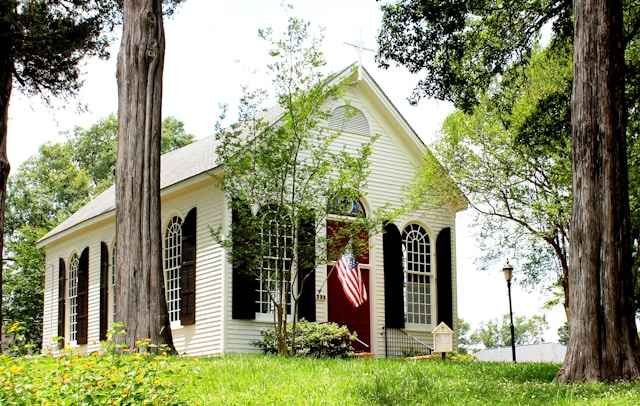
Have you ever wondered what defines a reformed presbyterian home and how faith shapes daily life within it? For many families, a home grounded in Reformed Presbyterian beliefs offers more than shelter—it provides a foundation of spiritual growth, shared values, and community connection. This article explores the rich history, core beliefs, lifestyle practices, and unique characteristics that make a reformed presbyterian home a special place in today’s world.
Understanding the Concept of a Reformed Presbyterian Home
What Does “Reformed Presbyterian” Mean?
At its core, the term “Reformed Presbyterian” relates to a branch of Protestant Christianity emphasizing the sovereignty of God, the authority of Scripture, and covenant theology. A reformed presbyterian home reflects these theological principles in everyday living, extending beyond mere religious label to influence how family members interact, worship, and nurture faith.
Historical Roots Influencing Home Life
The Reformed Presbyterian tradition traces back to the Scottish Covenanters of the 17th century, who championed strict adherence to biblical teachings and a Presbyterian form of church government. This heritage influences homes today by inspiring a disciplined, prayerful, and scripture-centered household.
Distinguishing a Reformed Presbyterian Home
Unlike some Christian homes that may adopt a broad or less structured faith practice, a reformed presbyterian home prioritizes covenantal relationships within the family, emphasizing God’s promises and responsibilities in daily life. This focus shapes a unique spiritual atmosphere and family culture.
Core Beliefs and Values Shaping a Reformed Presbyterian Home
Theological Foundations Guiding Family Life
Central to the Reformed Presbyterian faith is the belief in God’s absolute sovereignty and the covenant relationship between God and His people. Families living in a reformed presbyterian home engage in regular Scripture reading and prayer, viewing these as essential to nurturing faith and character.
Scripture and Prayer as Household Pillars
Daily routines often include reading the Bible together and praying as a family, grounding members in God’s word and fostering unity. These practices encourage children and adults alike to trust in God’s guidance.
Moral Discipline and Education
Faith plays a crucial role in shaping behavior and discipline. Parents in a reformed presbyterian home typically emphasize biblical standards of conduct, teaching children to live with integrity, humility, and respect. Education, both spiritual and academic, is highly valued as preparation for life and service.
Worship and Community Service
Family worship sessions and participation in church life reinforce shared beliefs. Additionally, serving others through community outreach embodies the faith lived out beyond the home’s walls.
Architectural and Atmosphere Characteristics of a Reformed Presbyterian Home
Spiritual Symbols and Sacred Spaces
Many reformed presbyterian homes feature visible reminders of faith—a prominently placed family Bible, a designated prayer corner, or framed Scripture verses. These elements encourage mindfulness of God’s presence throughout the day.
Fostering a Hospitable and Reflective Environment
The home atmosphere often balances quiet reflection with warm hospitality, welcoming guests while maintaining spaces for personal devotion. The design may blend traditional and contemporary elements to support both reverence and modern living needs.
Daily Life and Practices in a Reformed Presbyterian Home
Morning and Evening Devotional Routines
Starting and ending the day with prayer and Scripture reading is common, setting a rhythm that centers family life around God. These moments offer opportunities for teaching, encouragement, and mutual support.
Family Worship Traditions
Regular worship as a family includes singing hymns, reading Scripture, and discussing its application. This practice fosters spiritual growth and strengthens bonds.
Parenting Guided by Biblical Principles
Discipline and education are approached with care and consistency, reflecting covenant theology’s emphasis on responsibility and grace. Parents seek to model Christlike behavior and nurture their children’s faith.
Celebrations with a Reformed Perspective
Holidays and special occasions are observed thoughtfully, often including readings, prayers, and hymns that connect family traditions to their faith heritage.
Role of Music and Liturgy
Hymns and scriptural songs play a central role in family worship, providing a rich connection to historical faith and encouraging heartfelt praise.
Community and Fellowship: Extending Beyond the Home
Church Participation and Mutual Support
A reformed presbyterian home is rarely isolated; it thrives within a community of like-minded believers. Regular church attendance, Bible studies, and fellowship events provide encouragement and accountability.
Social Responsibility and Outreach
Living out faith includes engaging in acts of kindness and service, reflecting the biblical call to love neighbors and support those in need.
Benefits of Living in a Reformed Presbyterian Home
Spiritual Growth and Strong Foundations
Families report deepened faith and character development among children, nurtured by consistent teaching and worship.
Shared Values and Family Unity
Living under shared beliefs creates a strong family identity and promotes harmony.
Sense of Purpose and Belonging
Rooted in faith, members of a reformed presbyterian home often experience a meaningful, purposeful life connected to a larger spiritual community.
Challenges and Misconceptions About Reformed Presbyterian Homes
Common Misunderstandings
Some outsiders may mistakenly view these homes as rigid or closed off. In truth, they balance tradition with grace and seek to engage culture thoughtfully.
Navigating Modern Culture While Holding Tradition
Families may face challenges integrating faith with contemporary life, but many find ways to adapt while upholding core convictions.
How to Start and Foster a Reformed Presbyterian Home
Practical Steps for Building Faith at Home
Begin with regular Scripture reading and prayer, establish family worship times, and participate actively in a local Reformed Presbyterian church.
Resources and Support
Utilize Bible study guides, attend church classes, and seek mentorship from experienced families to strengthen your home’s faith foundation.
Encouragement to Engage Community
Building relationships with other believers enriches spiritual life and offers mutual encouragement.
Key Takeaways
- A reformed presbyterian home integrates theology deeply into daily living, emphasizing Scripture, prayer, and covenant relationships.
- Family worship, education, and discipline are shaped by Reformed doctrines and aimed at nurturing spiritual growth.
- The home environment balances tradition and hospitality, creating spaces for reflection and fellowship.
- Community involvement and outreach extend the home’s faith into the wider world.
- Despite challenges, these homes provide strong, purpose-filled foundations and a sense of belonging.
Conclusion
The reformed presbyterian home stands as a testament to faith lived authentically within family life. It offers spiritual depth, community connection, and a nurturing environment for all generations. For those seeking to cultivate such a home, embracing Scripture, prayer, and fellowship is a transformative journey well worth embarking on. Readers are encouraged to explore this rich tradition and consider how its principles might inspire their own family life.