
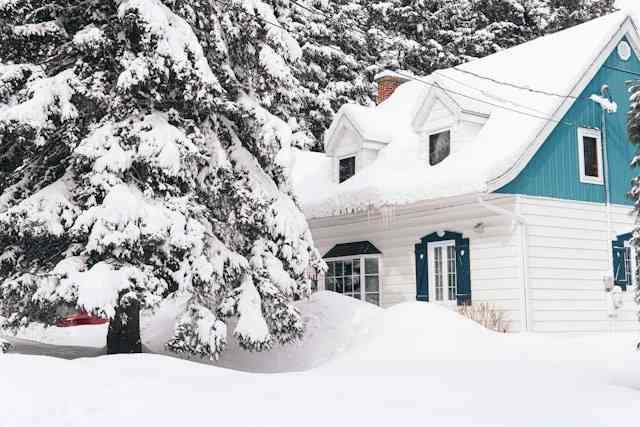
Introduction: Why Is Preparing Your Winter Home So Important?
Have you ever wondered why some families seem so relaxed and comfortable during the coldest days of the year? The secret often lies in how well they prepare their winter home. A winter home is more than just a place to escape the chill; it’s a thoughtfully prepared, energy-efficient, and beautifully decorated sanctuary designed to keep you secure and cozy during the harshest months. Investing time and effort into your winter home preparation not only protects your property but also ensures your family’s safety and comfort all season long.
But what defines a winter home? And how can you make yours ready for whatever winter brings? This in-depth guide will cover everything you need to know—from foundational winter home concepts to practical tips for energy efficiency, décor, safety, and security. Whether your home is a year-round residence or a seasonal retreat, these strategies will help you create a winter home that truly shines during the coldest months.
Let’s explore what it takes to transform your space into the ultimate winter home, filled with warmth, beauty, and peace of mind.
Understanding the Concept of a Winter Home
What Is a Winter Home?
A winter home refers to any living space—permanent or seasonal—that’s specifically designed or prepared for comfort, safety, and efficiency during winter’s challenges. For many Americans, their main house is their winter home, requiring sturdy construction and reliable heating to withstand snow, ice, and freezing temperatures. Others may have a second property, like a cabin in the mountains or a lakeside cottage, used mainly in the colder months for leisure or as a holiday getaway.
Types of Winter Homes
There are several kinds of winter homes:
- Permanent Residences: Built for year-round living, these homes demand robust insulation, efficient heating, and weatherproofing to handle severe winters.
- Seasonal Retreats: Cabins, chalets, or cottages used primarily in winter. These properties must be prepared to handle periods of vacancy and sudden use.
- Vacation Residences: Homes purchased mainly for winter recreation, such as ski trips or holidays, often located in prime seasonal destinations.
Winter Home vs. Summer Home
While summer homes are optimized for ventilation, sun protection, and cooling, winter homes prioritize thermal insulation, energy conservation, and features like fireplaces or radiant heating. The emphasis is always on keeping the cold out and warmth in.
Why Invest in a Winter Home?
A well-prepared winter home is an investment in your family’s safety, comfort, and property value. Winterizing reduces the risk of damage from freezing pipes or ice dams, lowers energy bills, and creates a relaxing environment for holidays and family gatherings. For those with second homes, a winter retreat offers an escape from everyday routines, opportunities for winter sports, and a chance to enjoy the season’s beauty in comfort.
Essential Winter Home Preparation Tips
Inspecting and Winterizing Your Home’s Exterior
Roof and Gutter Maintenance
Start by inspecting your roof for missing, damaged, or loose shingles. Even small cracks can let water in, leading to leaks or ice dams that cause major damage. Clean gutters and downspouts regularly to ensure melting snow can flow freely away from your home. Blocked gutters often result in dangerous ice dams and water intrusion.
Insulation and Sealing Gaps
Check exterior walls, windows, and doors for drafts or gaps. Use weatherstripping or caulk to seal any leaks. This simple step in winter home preparation can significantly reduce heat loss and boost indoor comfort.
Protecting Pipes Against Freezing
Insulate exposed pipes, especially those in basements, crawl spaces, or exterior walls. During extreme cold spells, let faucets drip slightly to keep water moving and reduce the risk of frozen pipes. If you’re leaving your winter home vacant, shut off the water supply and drain the plumbing system.
Interior Winter Prep
Heating System Checkup and Maintenance
Schedule a professional inspection of your furnace, boiler, or heat pump. Clean or replace filters, and test your thermostats. If you use a pellet or wood stove, ensure it’s clean and functioning safely.
Fireplace and Chimney Maintenance
Have chimneys and fireplaces inspected and cleaned before the first use each year. Creosote buildup can ignite and cause dangerous chimney fires. Stock up on seasoned firewood and check that your damper closes tightly.
Window Treatments and Weatherproofing
Install heavy curtains or thermal blinds to trap heat overnight. For drafty windows, consider applying insulating film or using draft stoppers to keep cold air out.
Importance of Emergency Kits and Safety Measures
Every winter home should have a well-stocked emergency kit with flashlights, batteries, bottled water, non-perishable food, blankets, and a first aid kit. Include a battery-powered radio to stay informed during power outages. For added safety, keep a backup generator or portable power station on hand.
By making these winter home preparation steps a priority, you can prevent expensive repairs, avoid emergencies, and enjoy a worry-free winter season.
Energy Efficiency Strategies for Your Winter Home
The Importance of Energy Efficiency in a Winter Home
Heating costs can skyrocket during winter. Making your winter home more energy-efficient not only lowers utility bills but also keeps your living space more comfortable and reduces your environmental footprint.
Installing Programmable Thermostats
Programmable thermostats are one of the easiest ways to improve energy efficiency. Set your system to lower the temperature when you’re asleep or away and warm up before you return. Smart thermostats offer remote control and can adapt to your lifestyle, maximizing efficiency.
Using Energy-Efficient Windows and Doors
Inefficient windows and doors are responsible for significant heat loss. Upgrade to double- or triple-pane windows, install insulated exterior doors, and use weatherstripping around openings. These improvements keep the warmth inside and the cold outside.
Tips to Reduce Heating Costs Without Sacrificing Comfort
- Close doors to unused rooms to limit the area you need to heat.
- Run ceiling fans in reverse to push warm air down from the ceiling.
- Place area rugs on hard floors to add insulation and comfort.
- Open curtains on sunny days to let natural warmth in, then close them at night.
Making your winter home energy-efficient means you’ll stay warm without breaking the bank.
Winter Home Décor and Comfort Ideas
Creating a Cozy Ambiance in Your Winter Home
A true winter home offers more than just warmth—it provides a welcoming, inviting atmosphere. Layering textures and choosing the right décor can make all the difference.
Best Materials and Textiles for Warmth
- Blankets and Throws: Opt for heavy, plush throws made of wool, fleece, or faux fur for maximum coziness.
- Rugs: Thick area rugs help insulate floors and add a soft touch to living areas and bedrooms.
- Curtains: Heavy drapes and thermal curtains keep drafts at bay and provide a sense of privacy and comfort.
Lighting Ideas for Shorter Daylight Hours
With daylight hours shortened, lighting becomes more important. Use a mix of table lamps, floor lamps, and wall sconces to create a warm glow in each room. String lights and candles add ambiance and a festive touch.
Incorporating Fireplace or Wood Stove Aesthetics
A fireplace or wood stove is often the centerpiece of a winter home. Even electric fireplaces can add warmth and visual appeal. Decorate mantels with pinecones, winter greenery, or cozy lanterns for a seasonal vibe.
By focusing on winter home comfort and décor, you’ll make your space a true retreat from the cold.
Maintaining a Safe and Healthy Winter Home Environment
Preventing Mold and Moisture During Winter
Moisture is a hidden threat in winter homes. Use dehumidifiers in basements and ensure bathrooms and kitchens are well-ventilated. Check regularly for mold around windows or in damp areas and address leaks promptly.
Indoor Air Quality Tips for Winter Homes
Sealed homes can trap dust and allergens. Use air purifiers with HEPA filters, avoid over-humidification, and open windows briefly on milder days to let in fresh air.
Safe Use of Heaters and Fire Prevention Tips
- Keep space heaters at least three feet from flammable items.
- Never leave portable heaters or candles unattended.
- Install fire extinguishers in key locations, such as the kitchen and near the fireplace.
Importance of Smoke and Carbon Monoxide Detectors
Install smoke and carbon monoxide detectors on each floor and test them monthly. Replace batteries every six months. These devices are vital for a healthy winter home, especially when using wood stoves or gas appliances.
Following these winter home safety tips helps keep your family secure and your environment healthy.
Choosing the Right Location for a Winter Home
Factors to Consider: Climate, Accessibility, Amenities
When selecting a winter home location, consider:
- Climate: Do you prefer snowy winters for recreation or milder climates for easier maintenance?
- Accessibility: Proximity to highways, airports, and healthcare is essential, especially during storms.
- Amenities: Look for nearby shopping, medical services, and recreational opportunities.
Popular Winter Home Destinations
- Mountain Resorts: Perfect for skiing, snowboarding, and winter sports.
- Lakeside Retreats: Ideal for ice fishing, skating, and peaceful winter scenery.
- Urban Areas: Offer cultural experiences, restaurants, and easy access to services.
Pros and Cons of Urban vs. Rural Winter Homes
- Urban Winter Homes: Convenient, with plenty of amenities, but potentially more expensive and crowded.
- Rural Winter Homes: Offer privacy, natural beauty, and tranquility but can be harder to access and require more self-sufficiency.
Choosing the right winter home location ensures your property matches your lifestyle and priorities.
Securing Your Winter Home While Away
Tips for Protecting an Unoccupied Winter Home
- Set timers on lights and electronics to give the appearance of occupancy.
- Arrange for snow removal and mail collection.
- Have a neighbor or property manager check in regularly.
Smart Home Technology for Security and Climate Control
Smart security cameras, doorbell cameras, and remote-access alarm systems let you monitor your winter home from afar. Smart thermostats allow you to adjust temperatures remotely, ensuring pipes don’t freeze and energy isn’t wasted.
Checking for Insurance Coverage Specific to Winter Homes
Not all insurance policies cover seasonal homes or extended vacancies. Review your coverage, and consider policies that protect against common winter risks like frozen pipes, theft, or storm damage.
Comprehensive winter home security protects your investment and provides peace of mind when you’re away.
Key Takeaways
- A well-prepared winter home ensures comfort, safety, and efficiency through the coldest months.
- Early preparation—roof, gutter, and pipe maintenance—prevents costly winter damage.
- Energy-efficient upgrades reduce heating bills and environmental impact.
- Cozy décor and layered lighting create a warm, inviting atmosphere.
- Maintain healthy air quality and fire safety with regular checks and detectors.
- Choose your winter home location based on climate, accessibility, and lifestyle needs.
- Secure your winter home with smart technology and proper insurance for worry-free winter living.
Conclusion
A winter home is more than just a building—it’s your family’s sanctuary against the cold, a place for joyful gatherings, and a safe haven no matter what winter brings. By investing in thorough preparation, energy efficiency, creative décor, and robust security, you ensure your winter home is ready to face the season head-on.
Don’t wait for the first frost. Start your winter home preparations today, consult local experts as needed, and enjoy every snowy day in comfort and style. Your perfect winter home is within reach—with the right steps, it can be your warmest, safest, and happiest winter yet.